The World Behind the Story
History. Culture. Belief.
My novels are set in a real world—vivid, complicated, and surprising. Explore the people, places, beliefs, and everyday life that shaped them. Begin with Philippi and Acts 16. More people and places will join this collection as it grows.
Start Here
Begin in Philippi. These three readings move from the city’s Roman identity to a jailer’s crisis, then to a reflection on freedom.
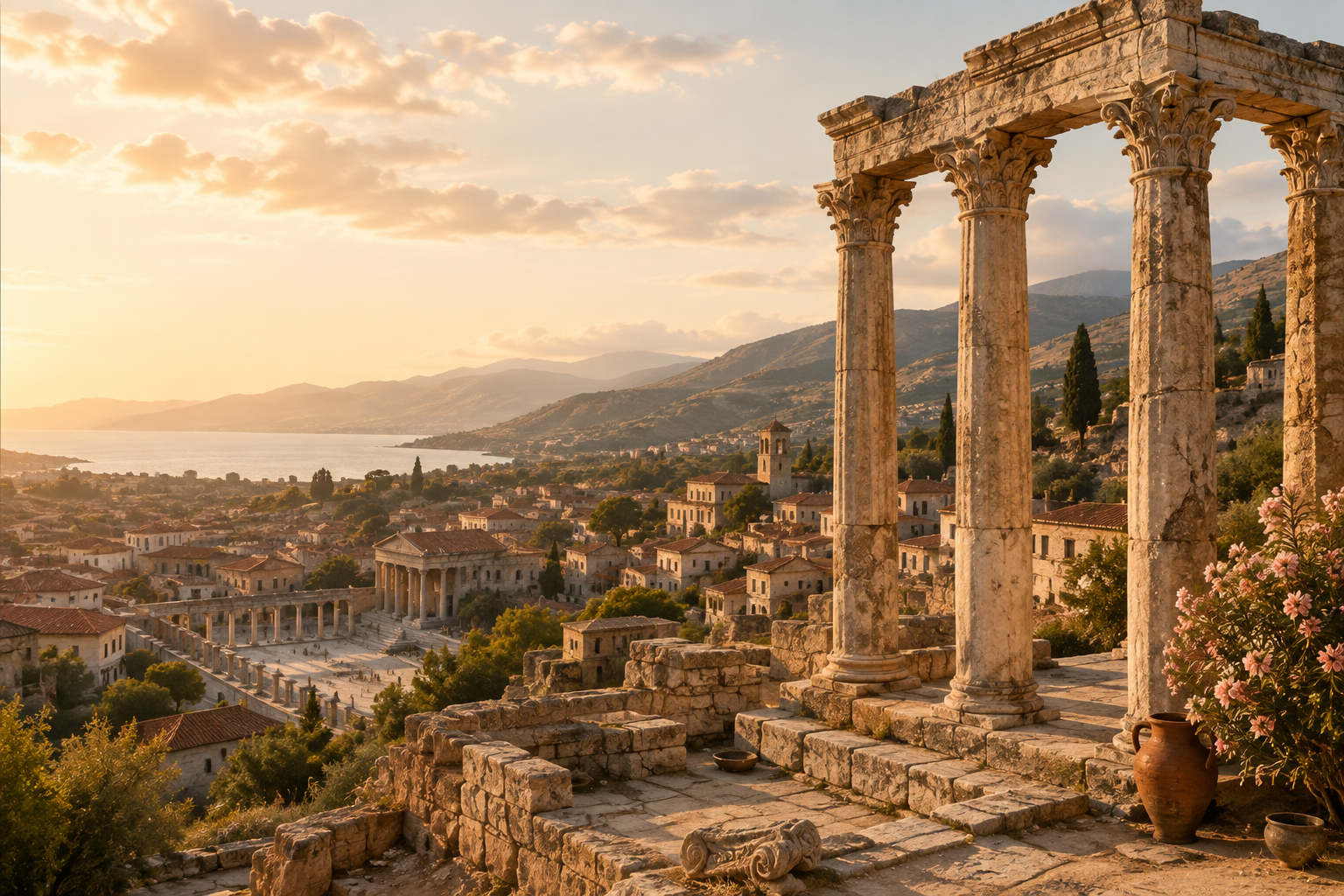
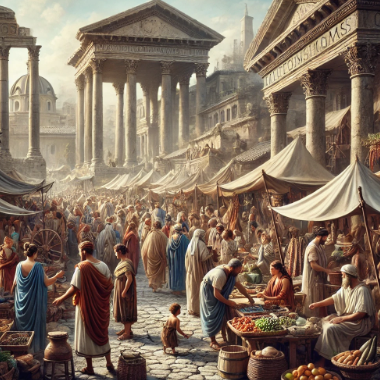
1 · Enter Philippi
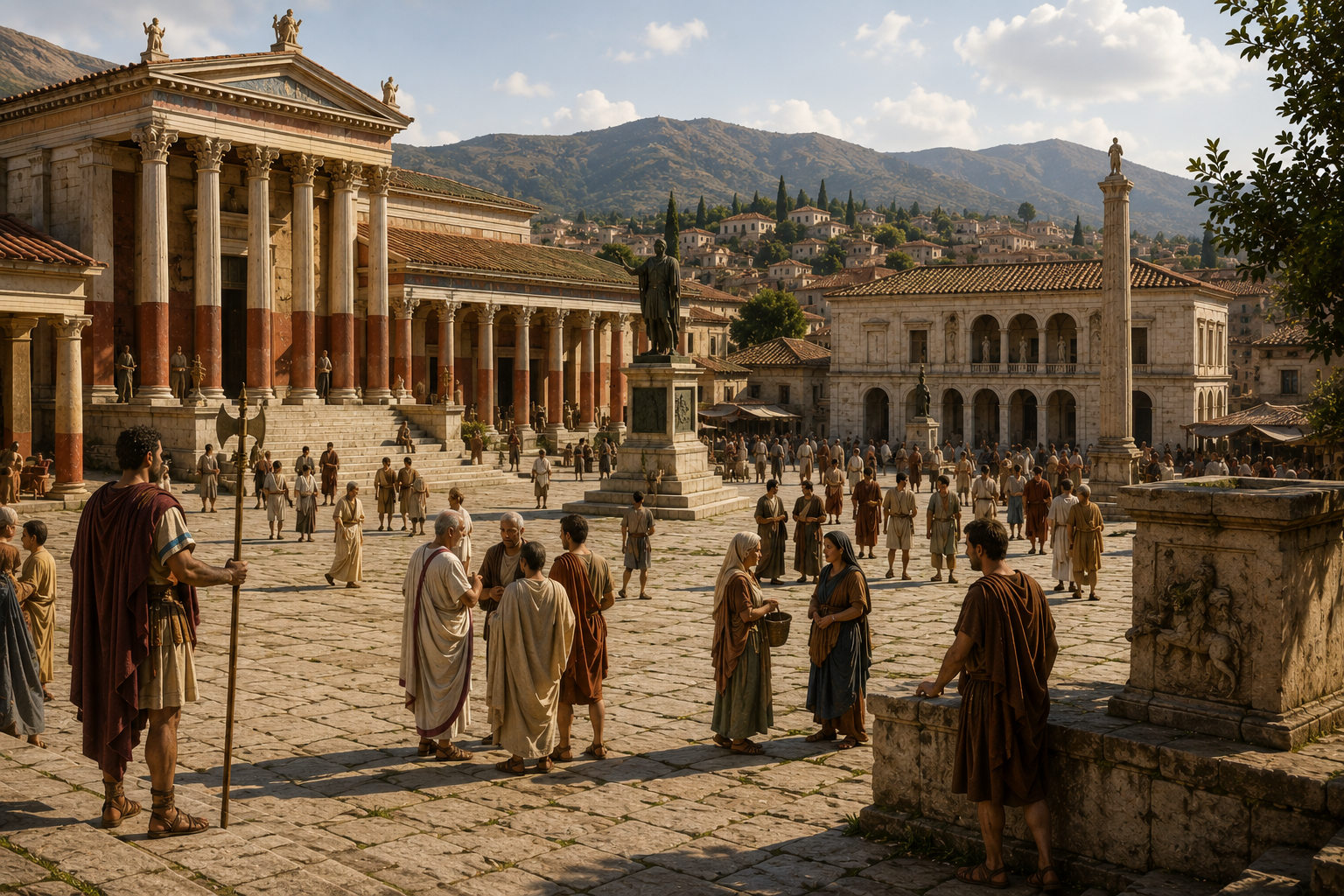
Philippi: Rome’s Outpost in Macedonia
See how the city’s Roman identity shaped the setting of Acts 16.
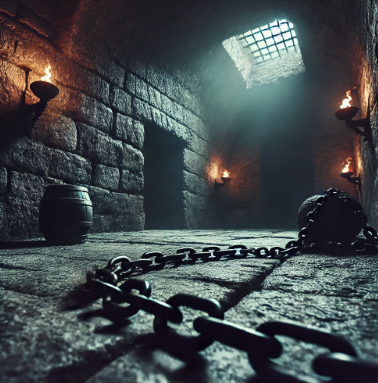
2 · Meet the jailer
The Philippian Jailer and the Earthquake That Changed Everything
An earthquake, an open prison, and a man whose duty seemed to leave him no safe choice.
3 · Consider freedom
A reflection on why Paul and Silas remained when the prison doors opened.
The following articles currently live on Substack. As I revise them, I will bring the collection to this website.
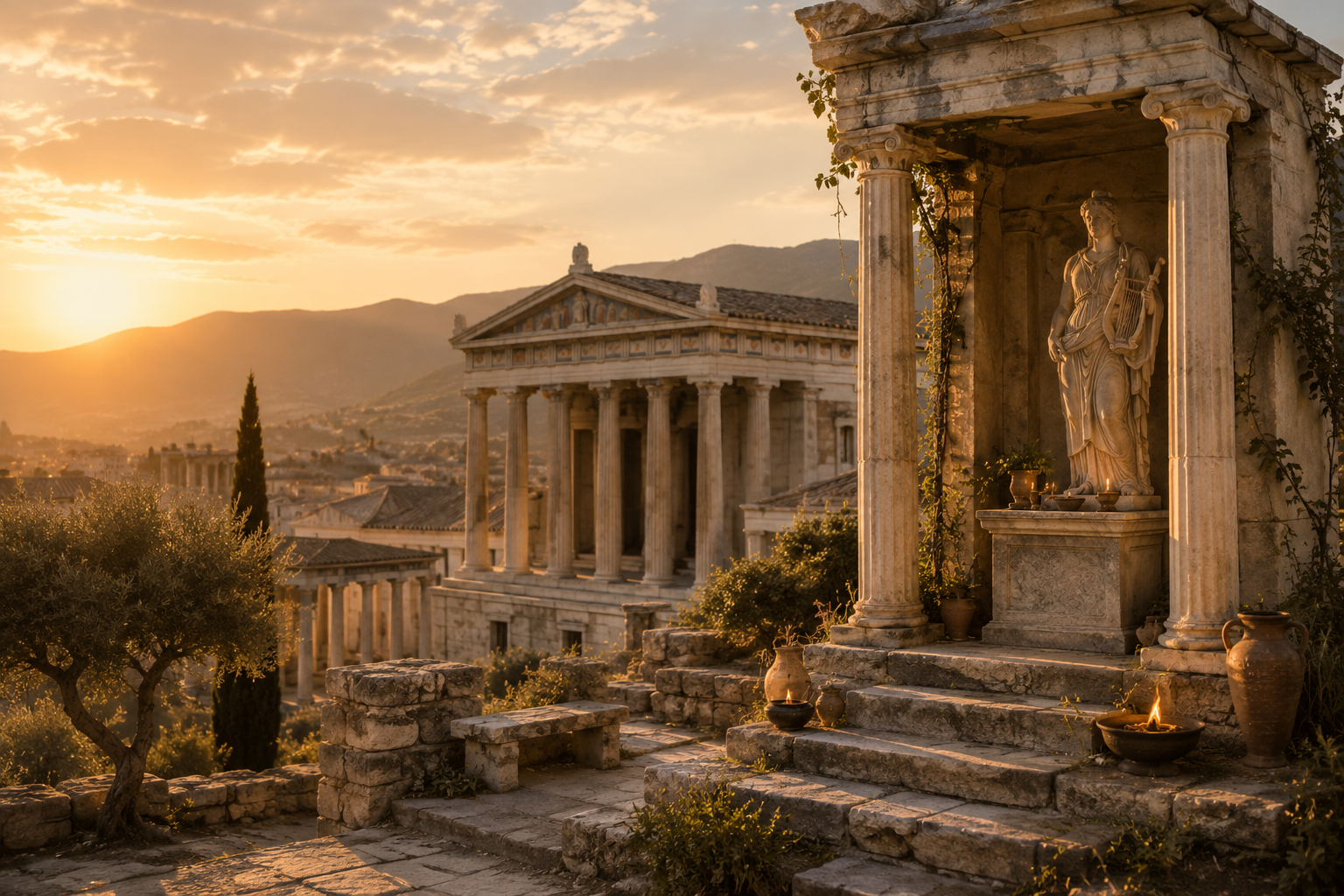
Religion & Belief
Gods, oracles, prophecy, and the rise of Christianity
Public Life
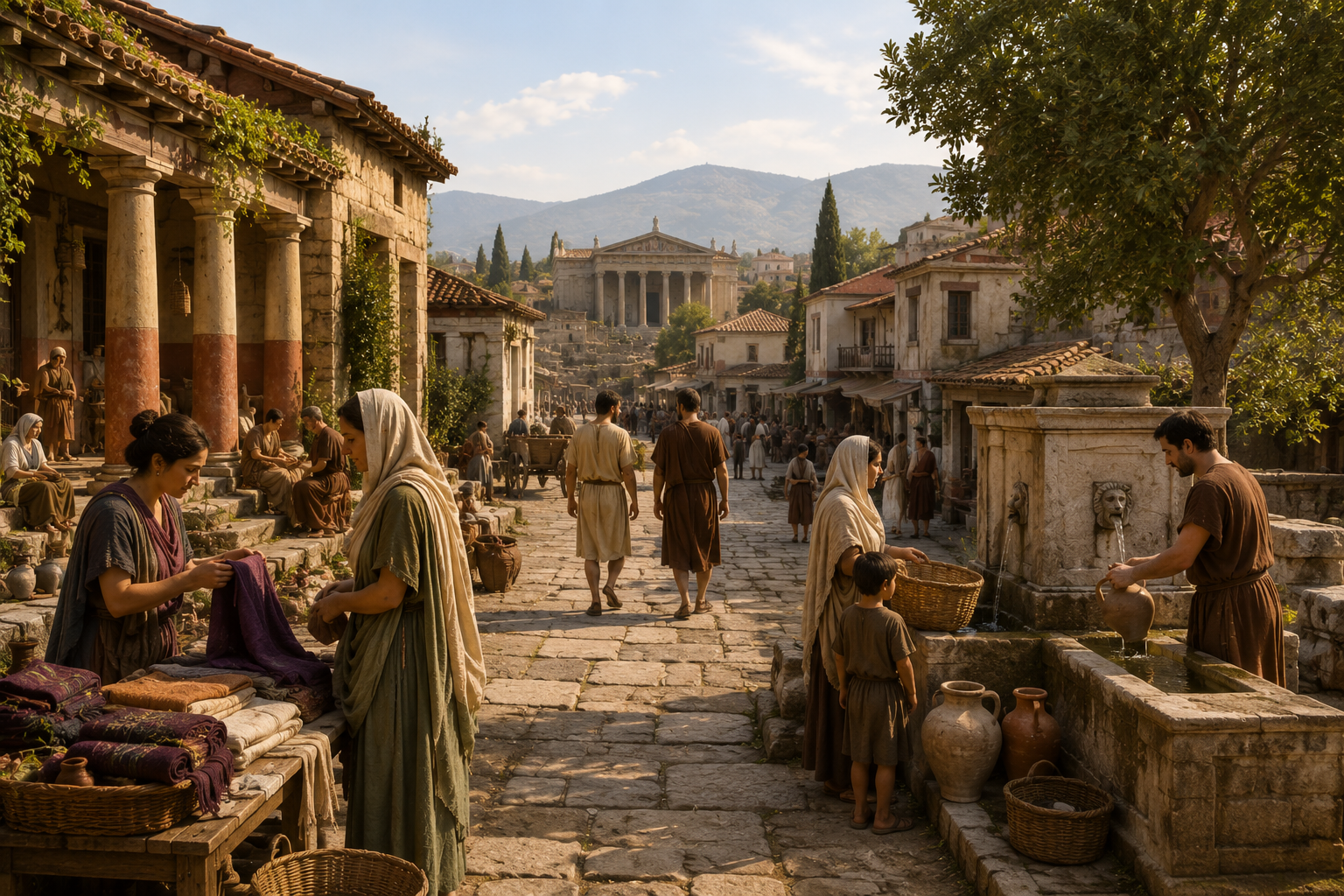
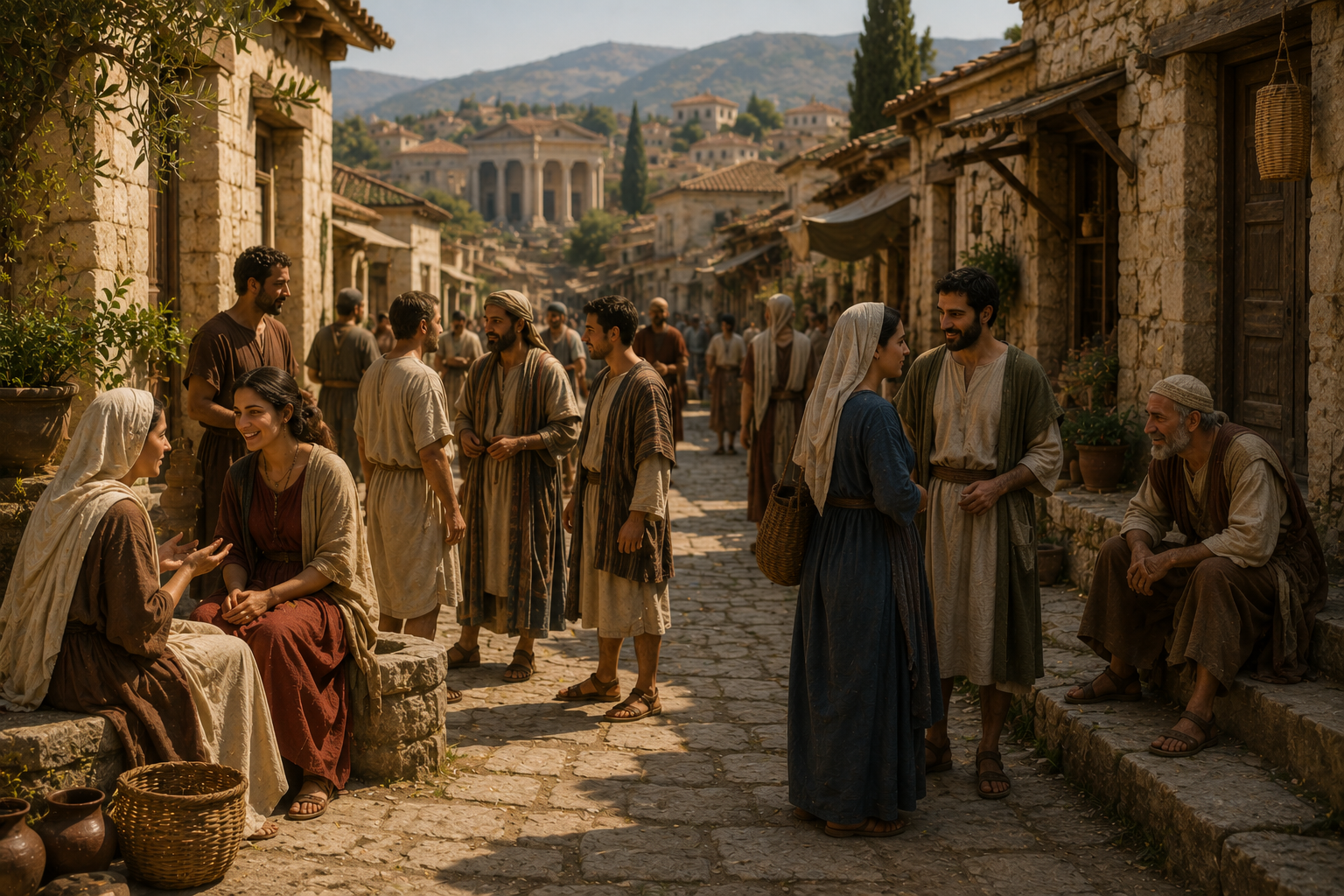
Power, law, and entertainment in the Roman world.
More to Explore
The articles below are currently the only ones here on this website. More paths through the ancient world will join them as this collection grows.
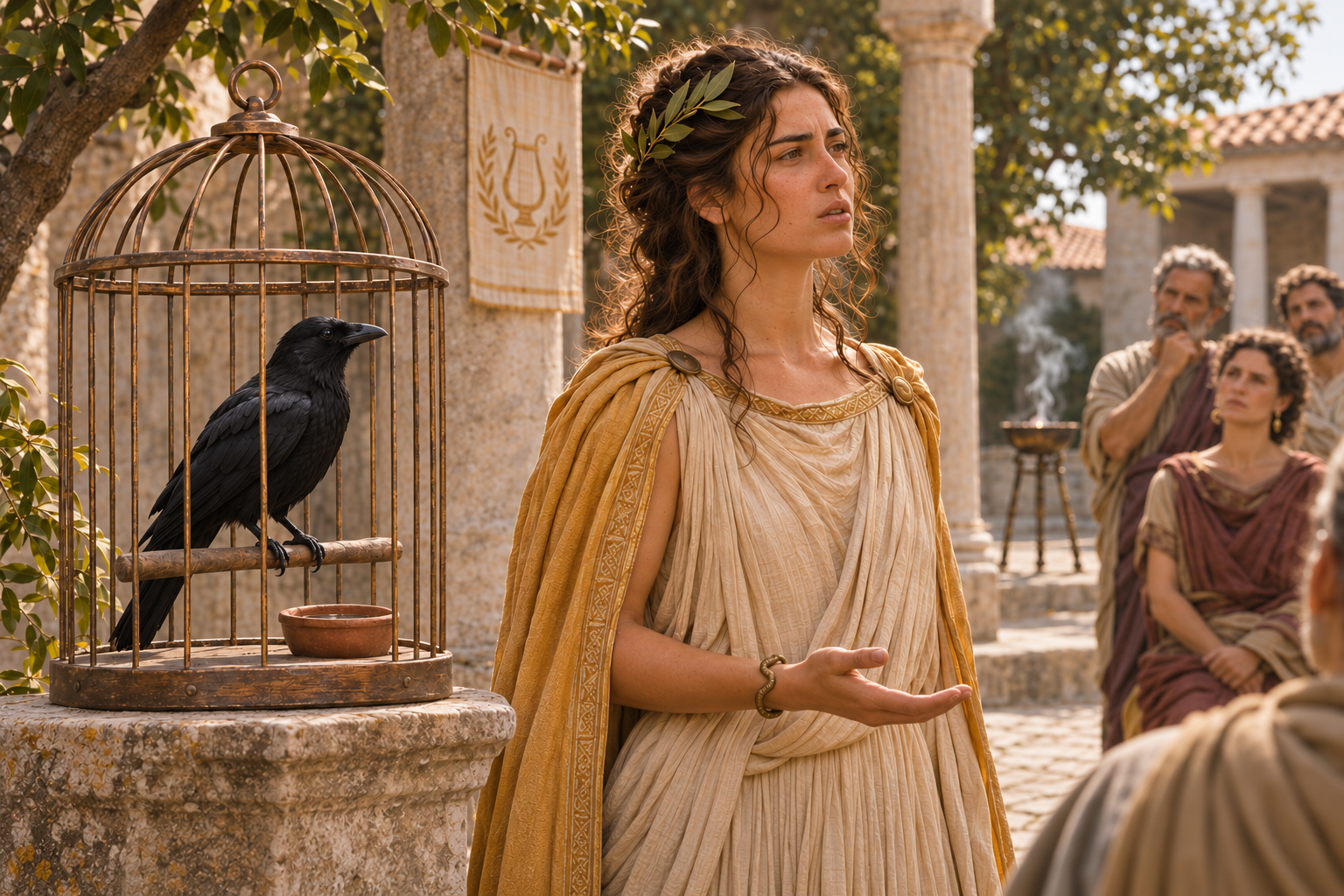
The World Behind Luke’s “Spirit of Python”
English translations often say that the enslaved girl in Acts 16 had a "spirit of divination." Luke's Greek is more specific: she had a "spirit of Python," a phrase that evokes Apollo, Delphi, and an ancient world of prophecy and profit.
Why Paul Silenced the Diviner in Acts 16
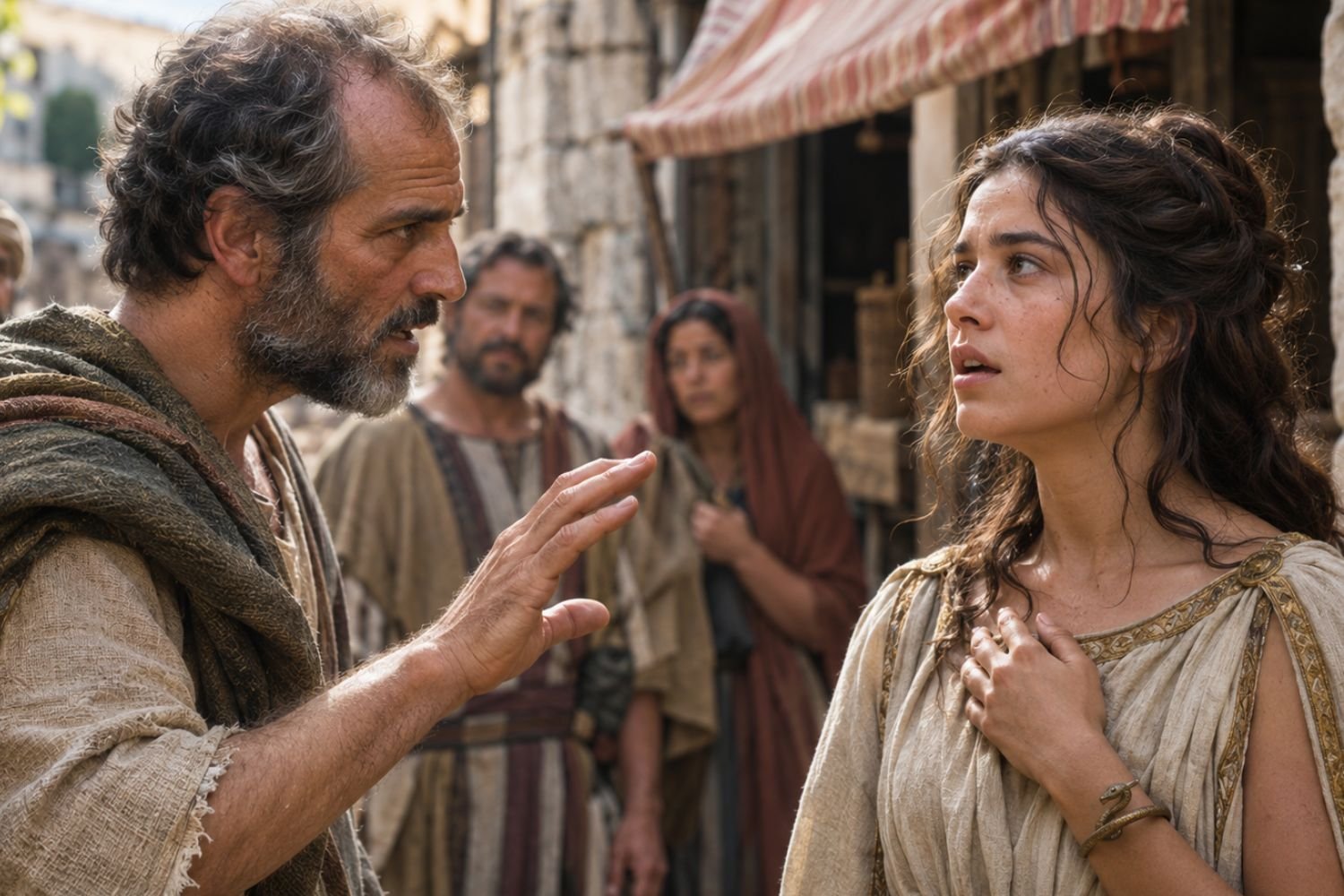
The enslaved diviner appeared to speak the truth about Paul. Why, then, did he command her spirit to be silent? The answer lies partly in how Philippi heard her words.
When Faith Threatens Profit: Philippi and Ephesus in Acts
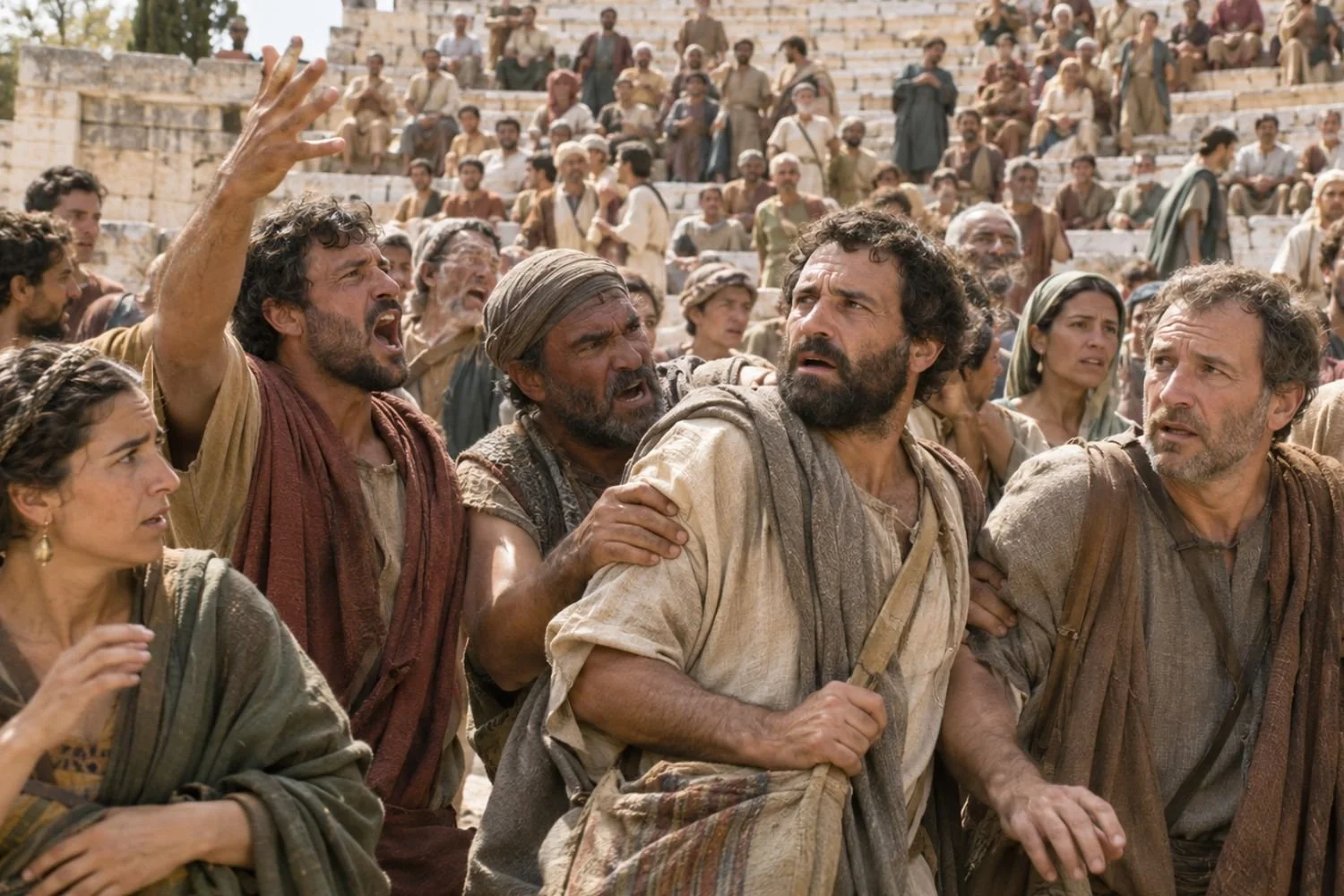
In Philippi, owners lose the income produced by an enslaved diviner. In Ephesus, silversmiths fear losing the market for Artemis shrines. In both cities, threatened profit becomes public unrest.
Singing in the Inner Cell: Inside a Roman Prison—Paul and Silas in Acts 16
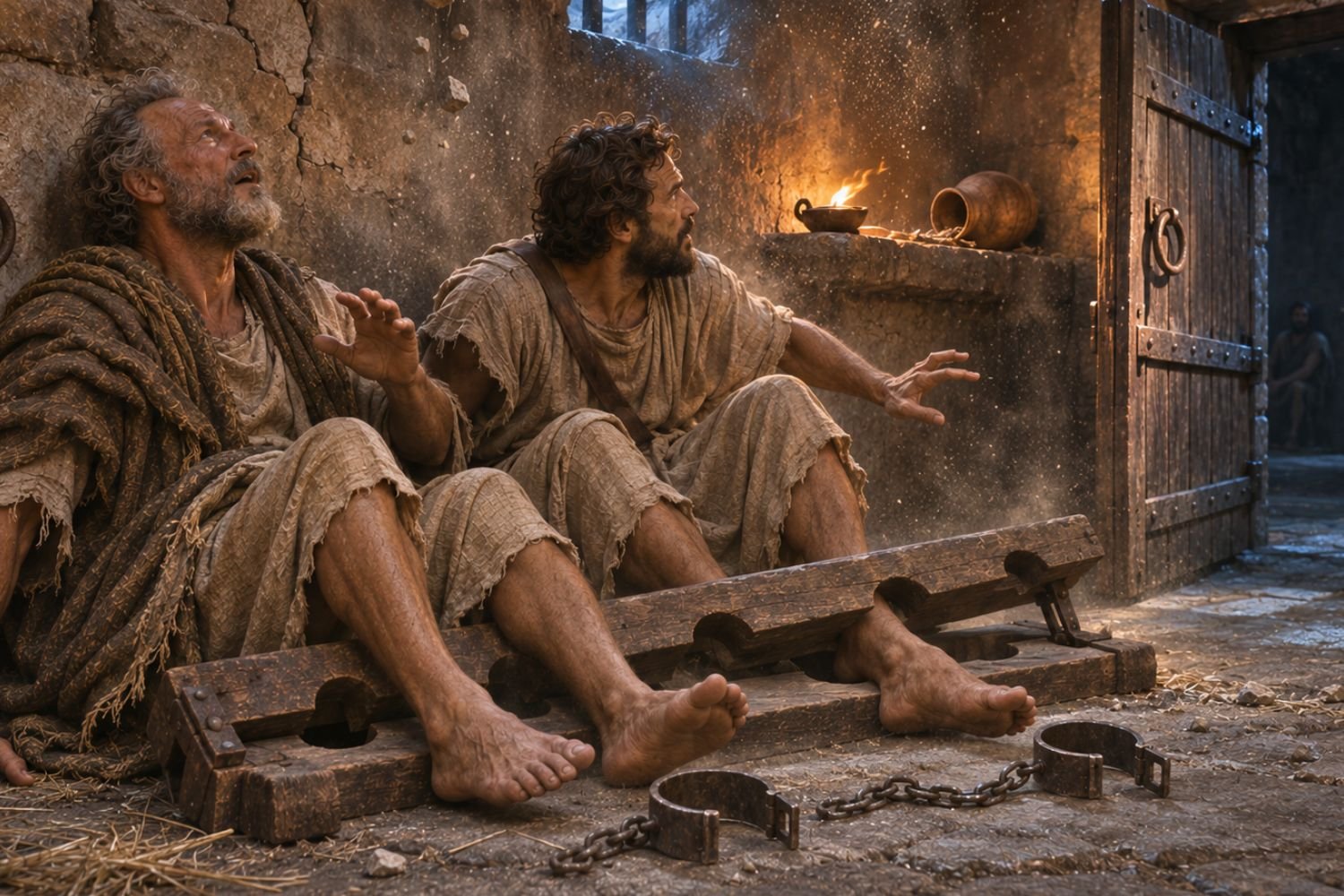
In ancient Philippi, an earthquake was never merely a geological event. The shaking of the prison in Acts 16 challenged accepted ideas about divine power and Roman authority.
What Conversion Cost an Early Christian
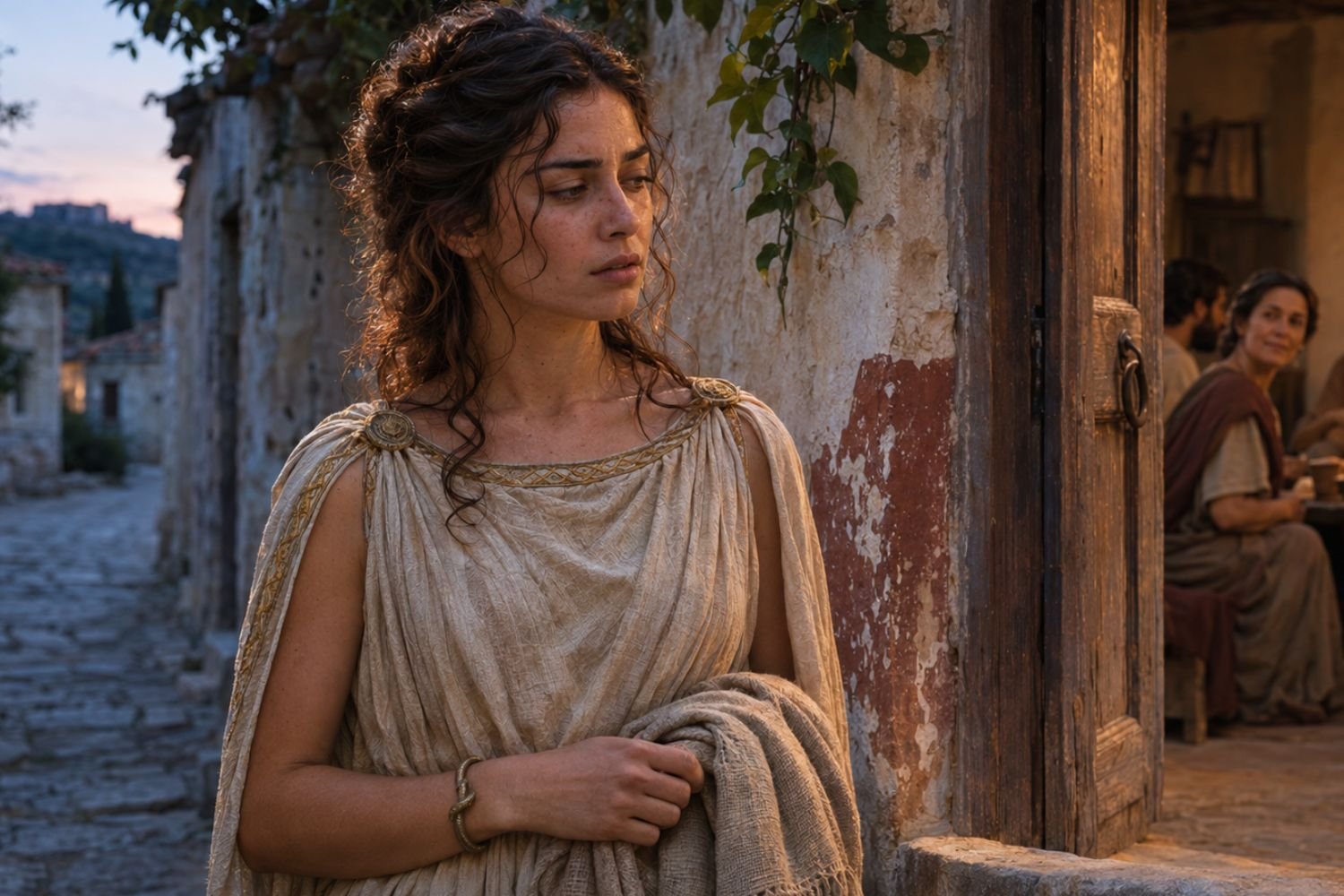
In the Roman world, religion permeated households, business, friendship, and civic life. Turning from the gods could therefore cost an early Christian far more than private certainty.
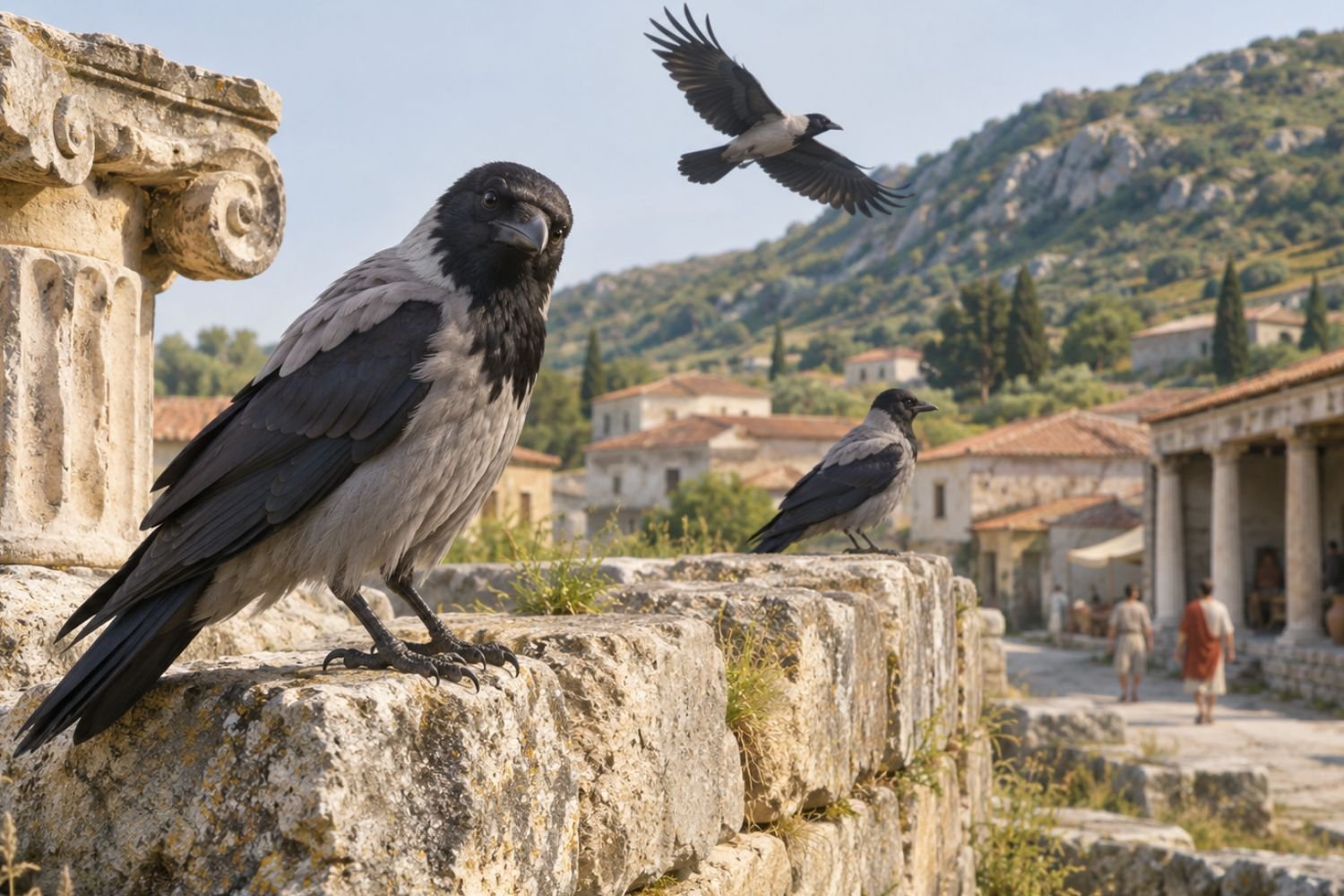
What Crows Meant in the Ancient World
Crows and ravens were more than familiar black birds in the ancient world. Their cries could be interpreted as omens, and Apollo's black bird became associated with hidden knowledge and prophecy.
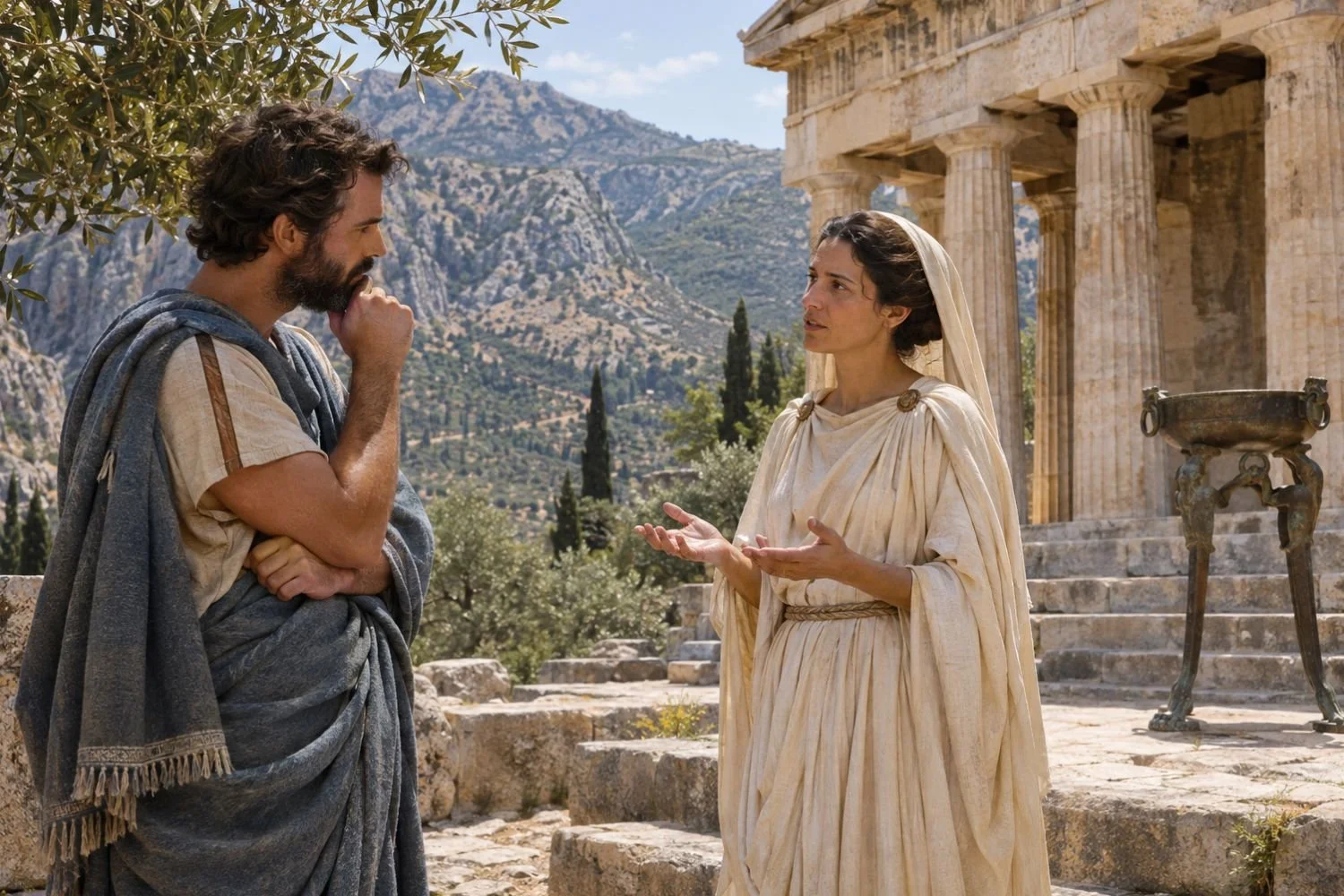
Why Intelligent People Trusted Oracles in the Ancient World
Trusting an oracle didn’t mean ancient Greeks had stopped thinking. Their search for divine guidance raises questions Christian readers still recognize: Which voices deserve trust, and why?