
Welcome to Philippi: Why was this Macedonian City So Roman?
Philippi was more than the setting of Acts 16. Its Roman identity shaped its laws, social divisions, religious life, and response to Paul and Silas.
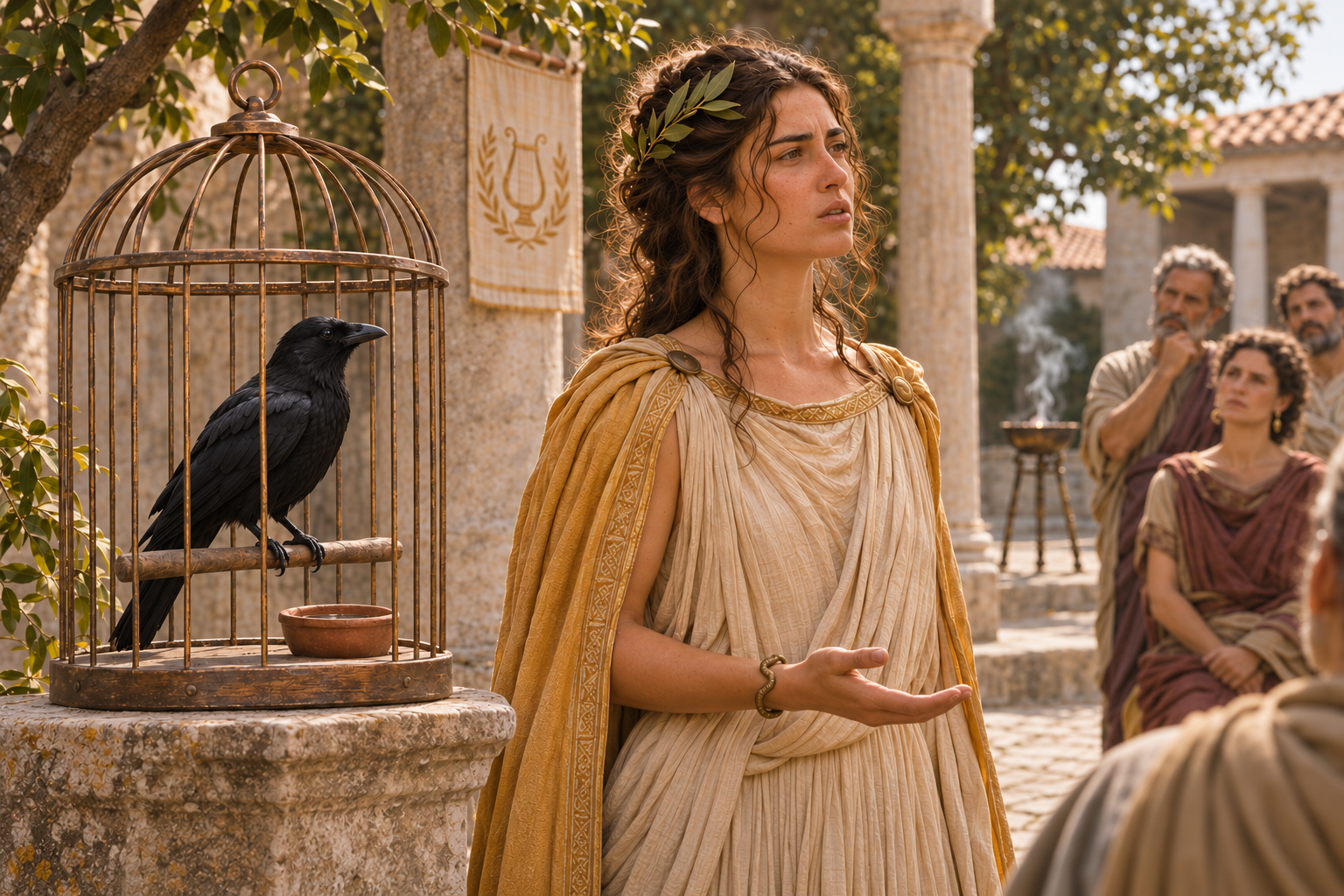
The World Behind Luke’s “Spirit of Python”
English translations often say that the enslaved girl in Acts 16 had a "spirit of divination." Luke's Greek is more specific: she had a "spirit of Python," a phrase that evokes Apollo, Delphi, and an ancient world of prophecy and profit.
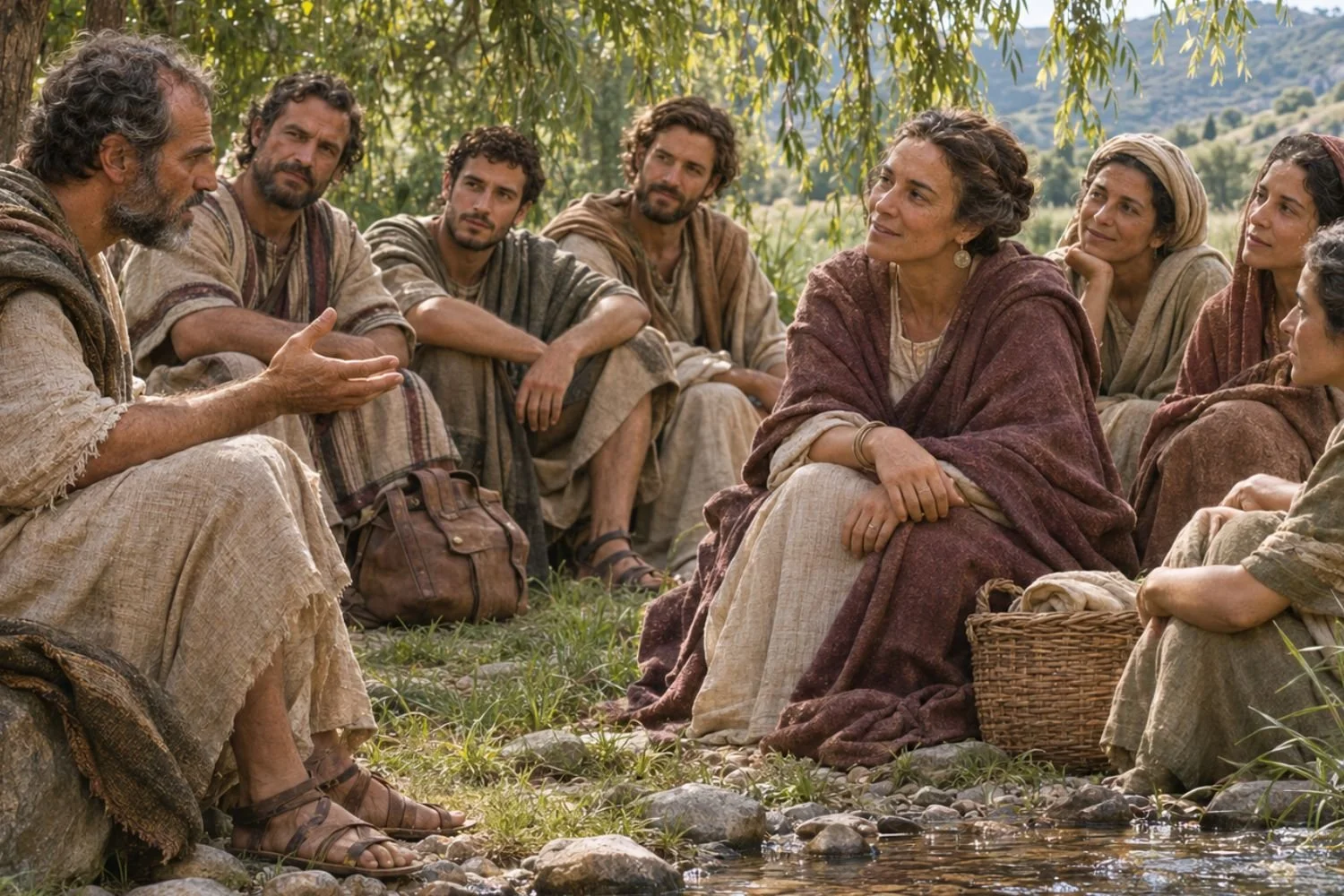
Paul Arrives in Philippi and a Church Begins by a River
Paul entered Philippi without ceremony. Days later, a conversation beside the river and Lydia's open home became the beginning of a Christian community.
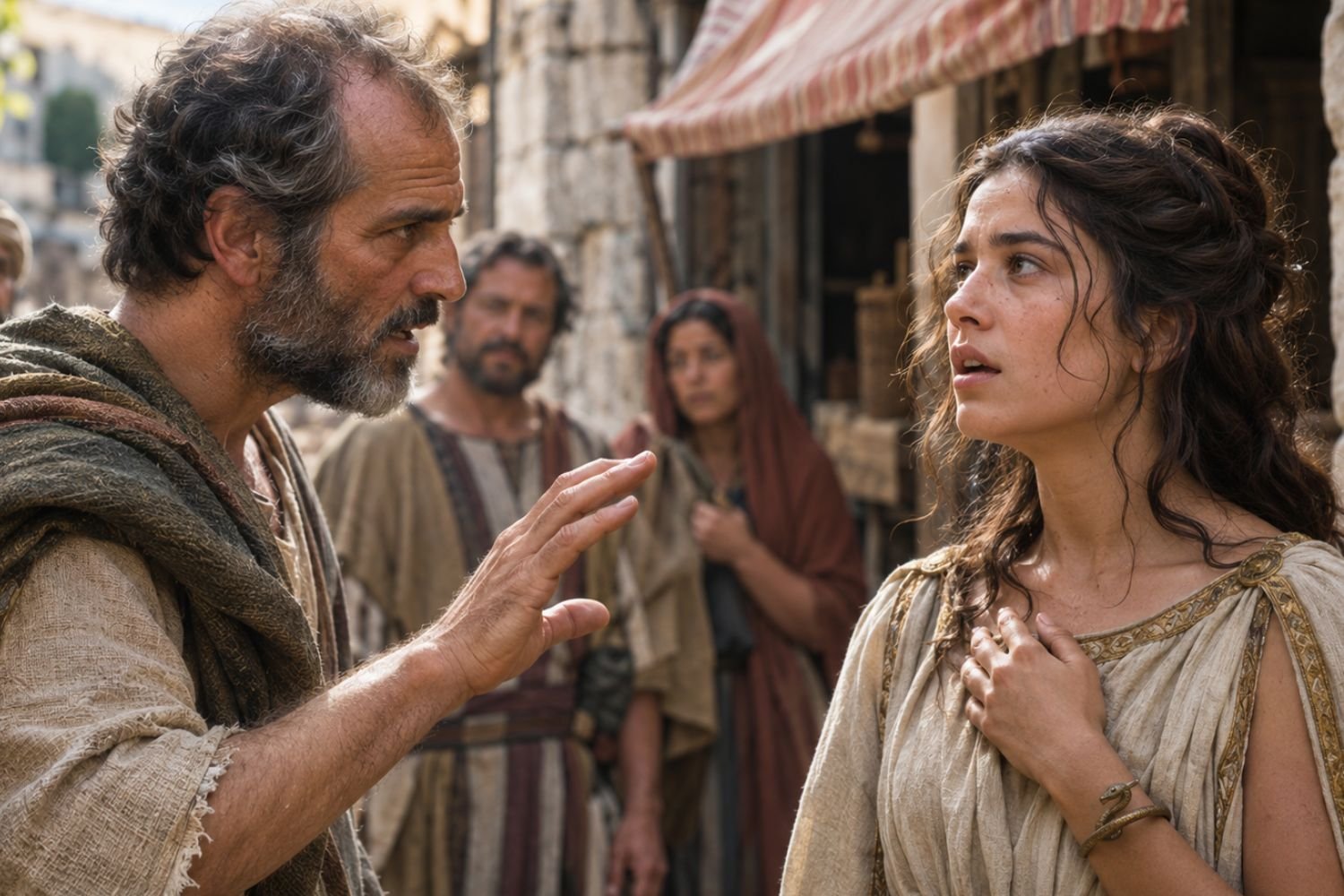
Why Paul Silenced the Diviner in Acts 16
The enslaved diviner appeared to speak the truth about Paul. Why, then, did he command her spirit to be silent? The answer lies partly in how Philippi heard her words.
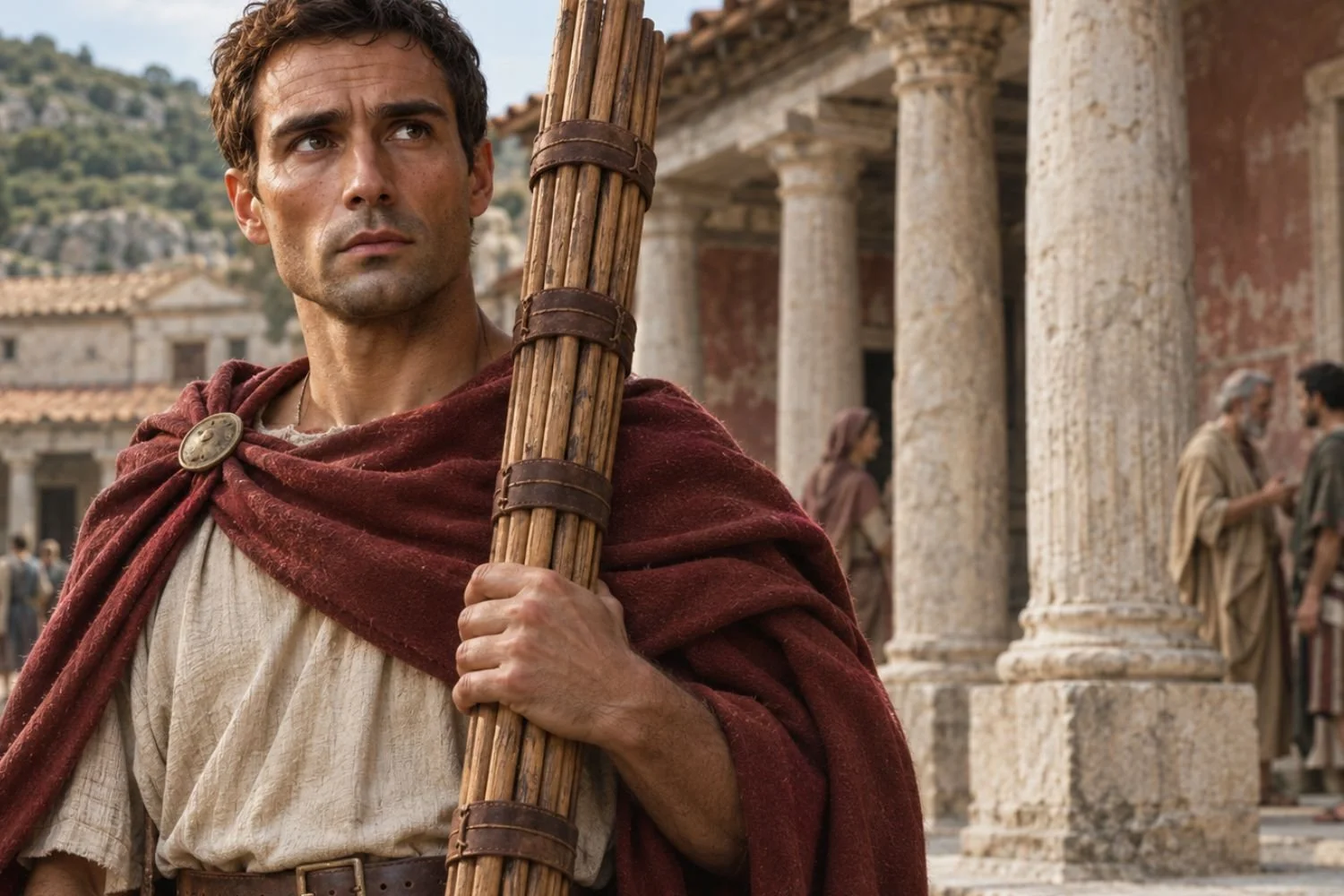
A Lictor’s Duty: Rome’s Rod-Bearers in Acts 16
The rod-bearing officers of Acts 16 were probably Roman lictors. They guarded magistrates, carried the fasces, and enforced Rome's authority in Philippi.
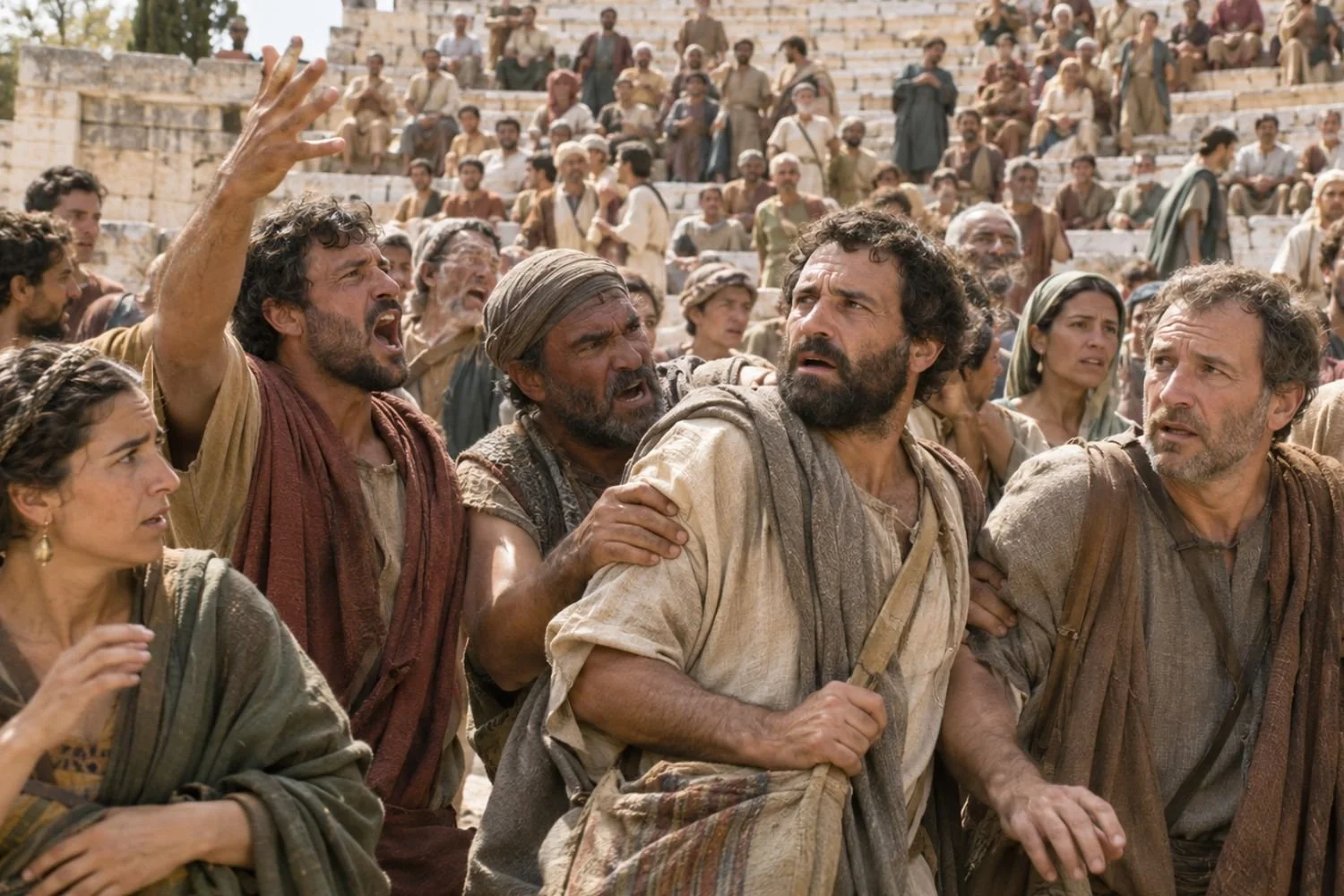
When Faith Threatens Profit: Philippi and Ephesus in Acts
In Philippi, owners lose the income produced by an enslaved diviner. In Ephesus, silversmiths fear losing the market for Artemis shrines. In both cities, threatened profit becomes public unrest.
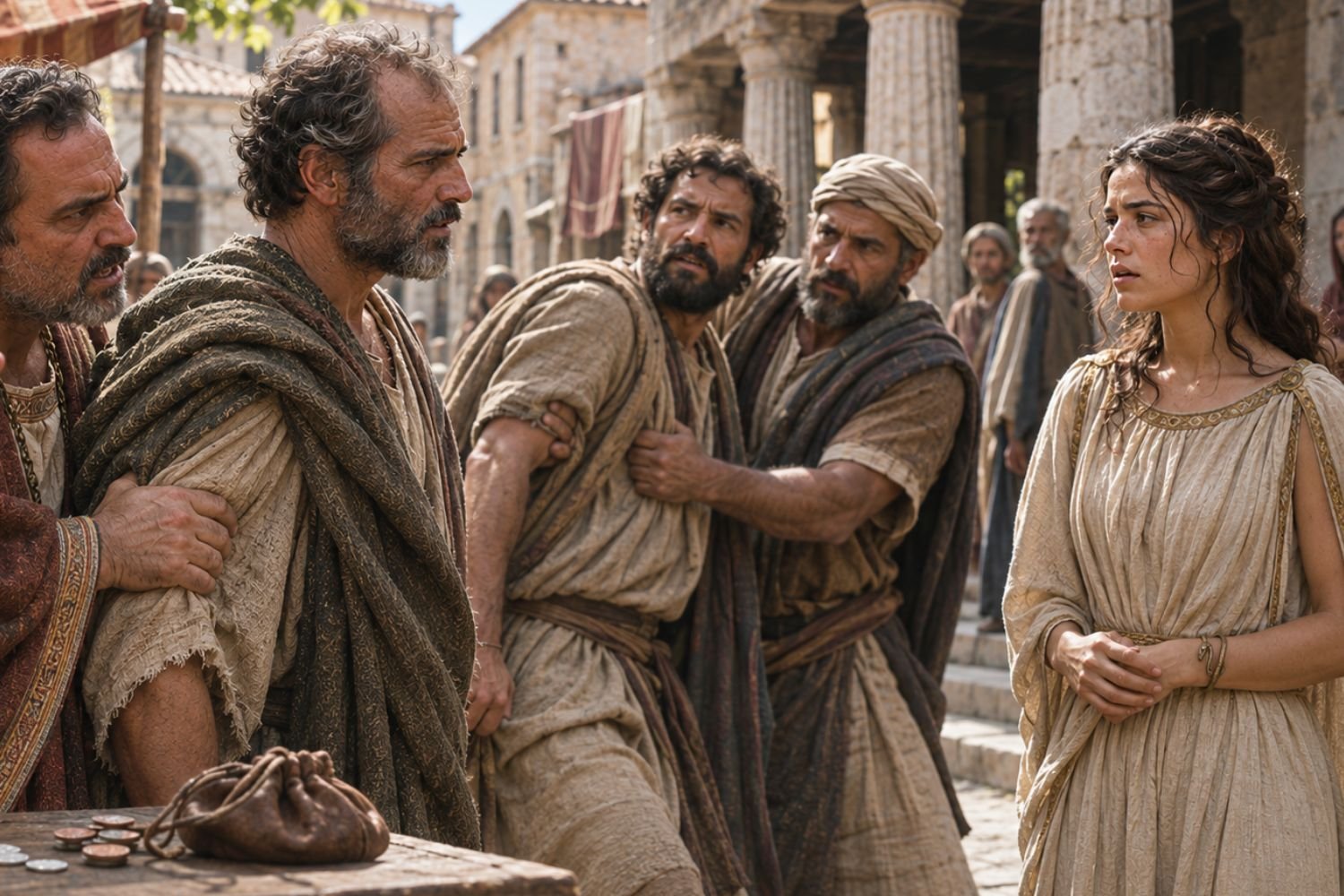
Philippi’s Forum: Politics, Commerce, and Punishment in Acts 16
Philippi's forum was the public heart of the Roman colony. In Acts 16, it became the setting for accusation, crowd pressure, and th eunlawful punishment of Paul and Silas.
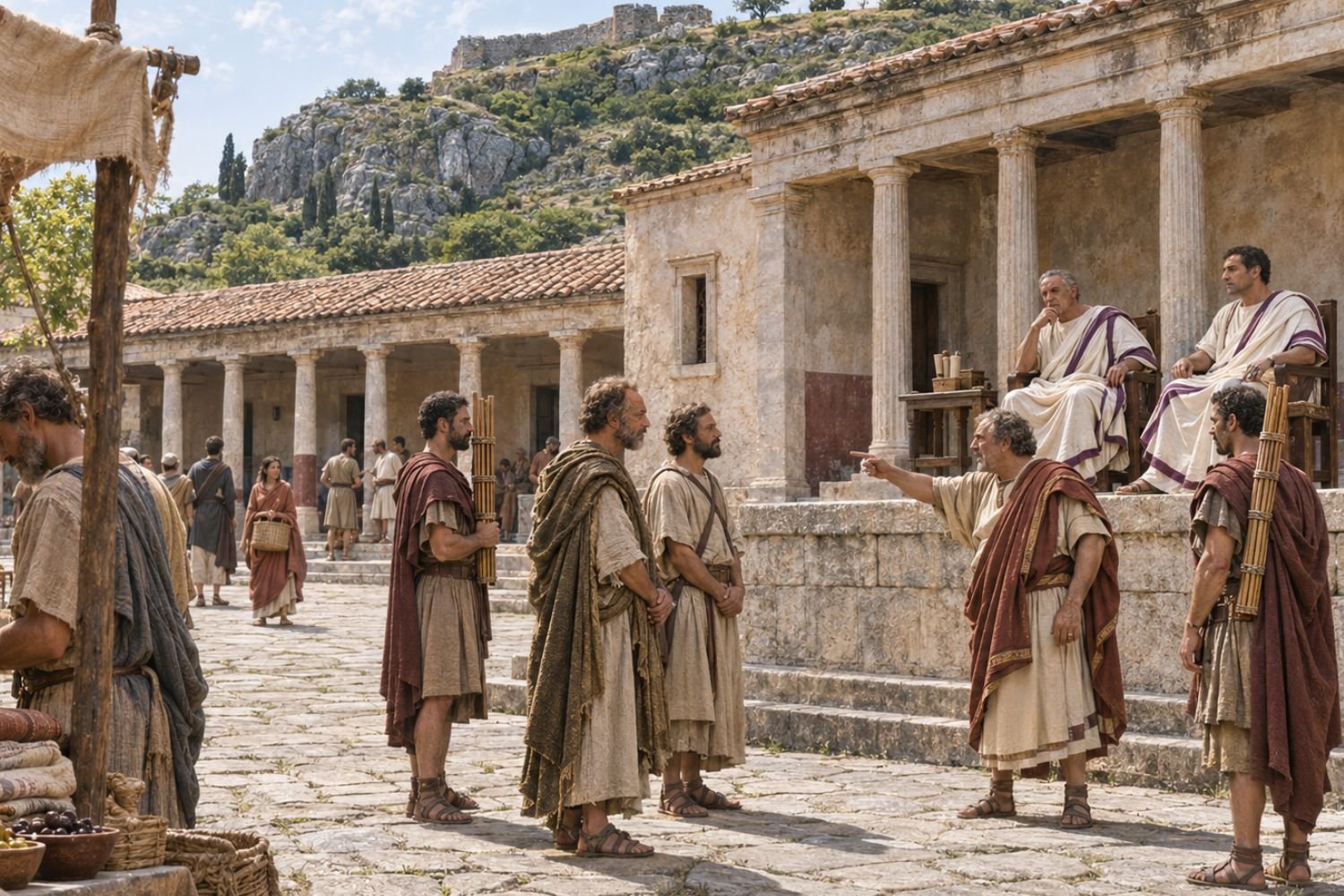
Why Paul and Silas were Beaten without a Trial: Colonial Justice in Acts 16
Paul and Silas were publicly beaten and imprisoned before Philippi's magistrates discovered they were Roman citizens. Their mistake reveals how Roman authority, citizenship, and summary punishment worked.
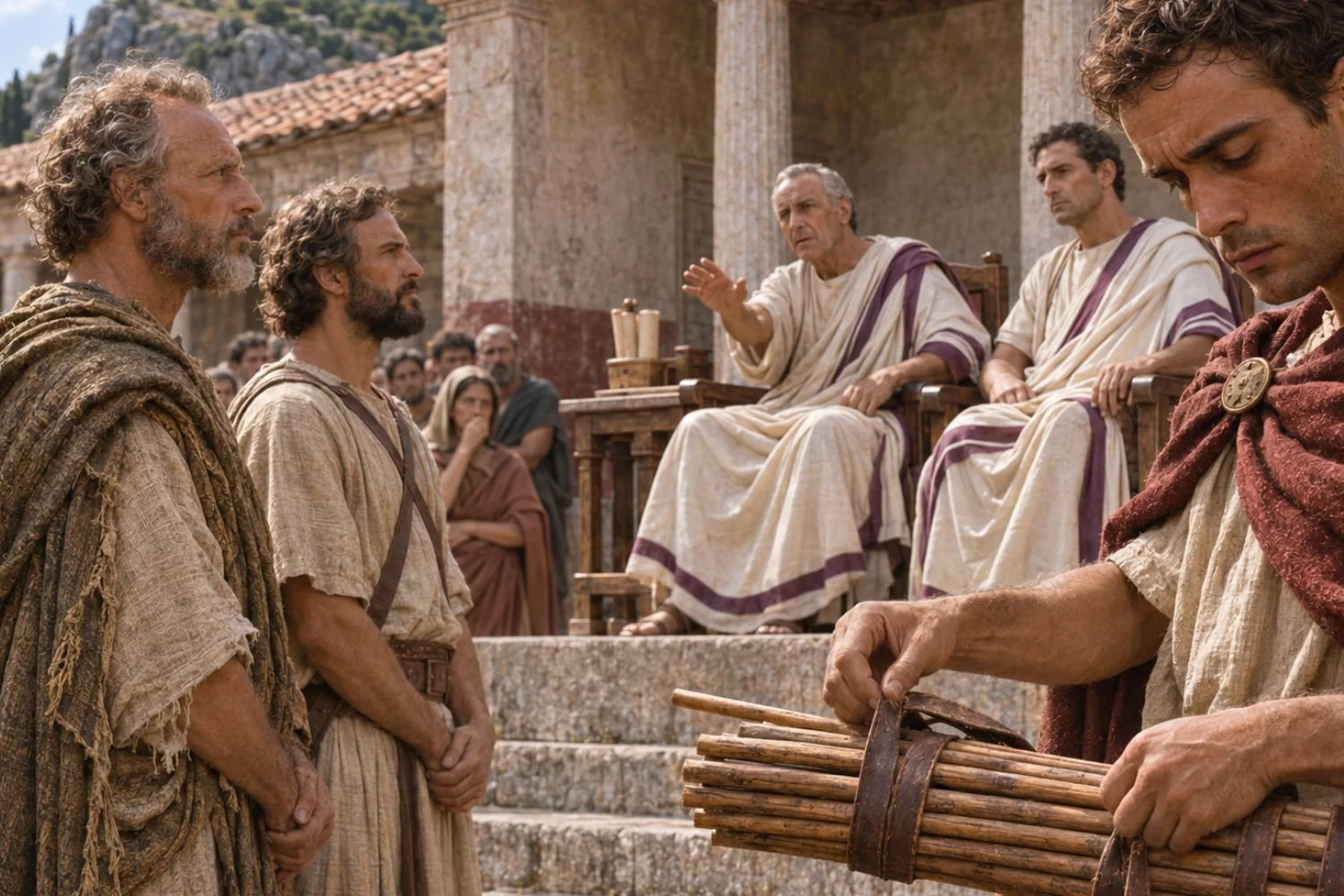
When the Crowd Takes Over: Public Uproar in the Book of Acts
In Acts, private grievances repeatedly become public accusations. From Philippi to Jerusalem, crowds shape what officials hear, whom they punish, and whether the accused may speak.
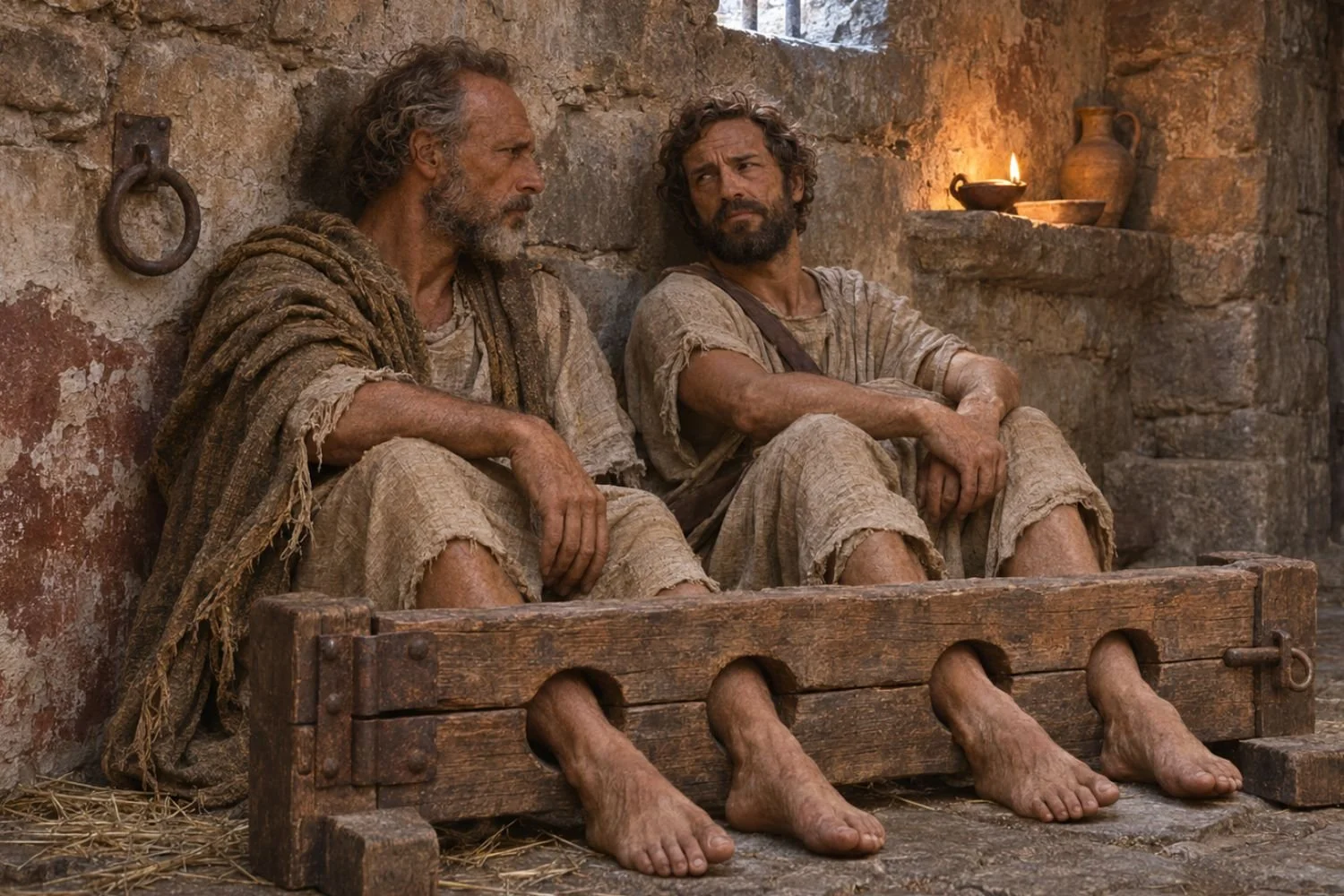
Singing in the Inner Cell: Inside a Roman Prison—Paul and Silas in Acts 16
In ancient Philippi, an earthquake was never merely a geological event. The shaking of the prison in Acts 16 challenged accepted ideas about divine power and Roman authority.
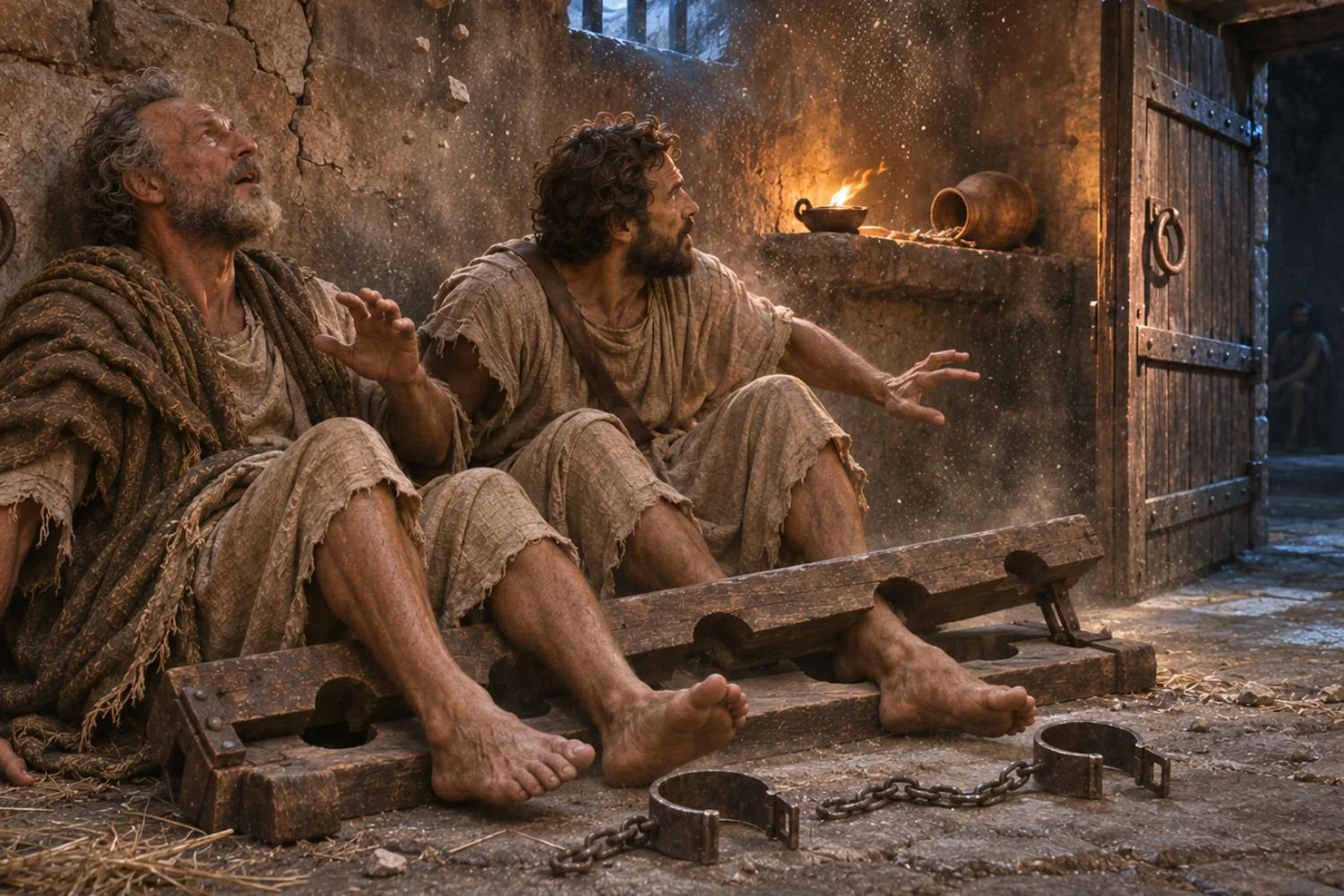
When the Earth Shook: What Happened in Philippi in Acts 16
Roman prisons ordinarily held people awaiting judgment or punishment. IN Acts 16, an inner cell meant to contain Paul and Silas became instead a place of song and transformation.
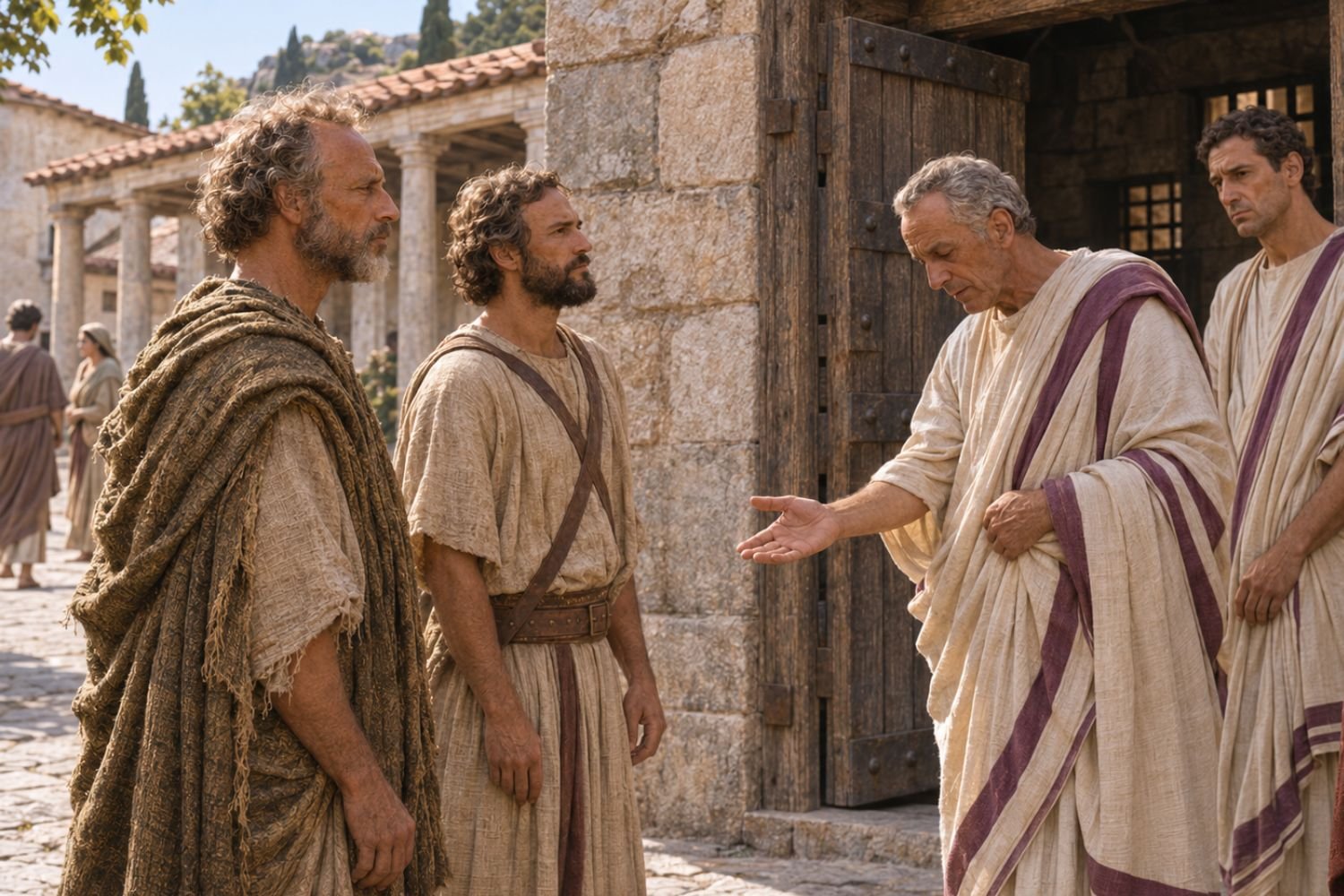
Why Paul Refused a Quiet Release in Philippi
Philippi's magistrates ordered Paul and Silas released quietly. Paul refused. The public beating of two Roman citizens required more than a prison door opened in private.
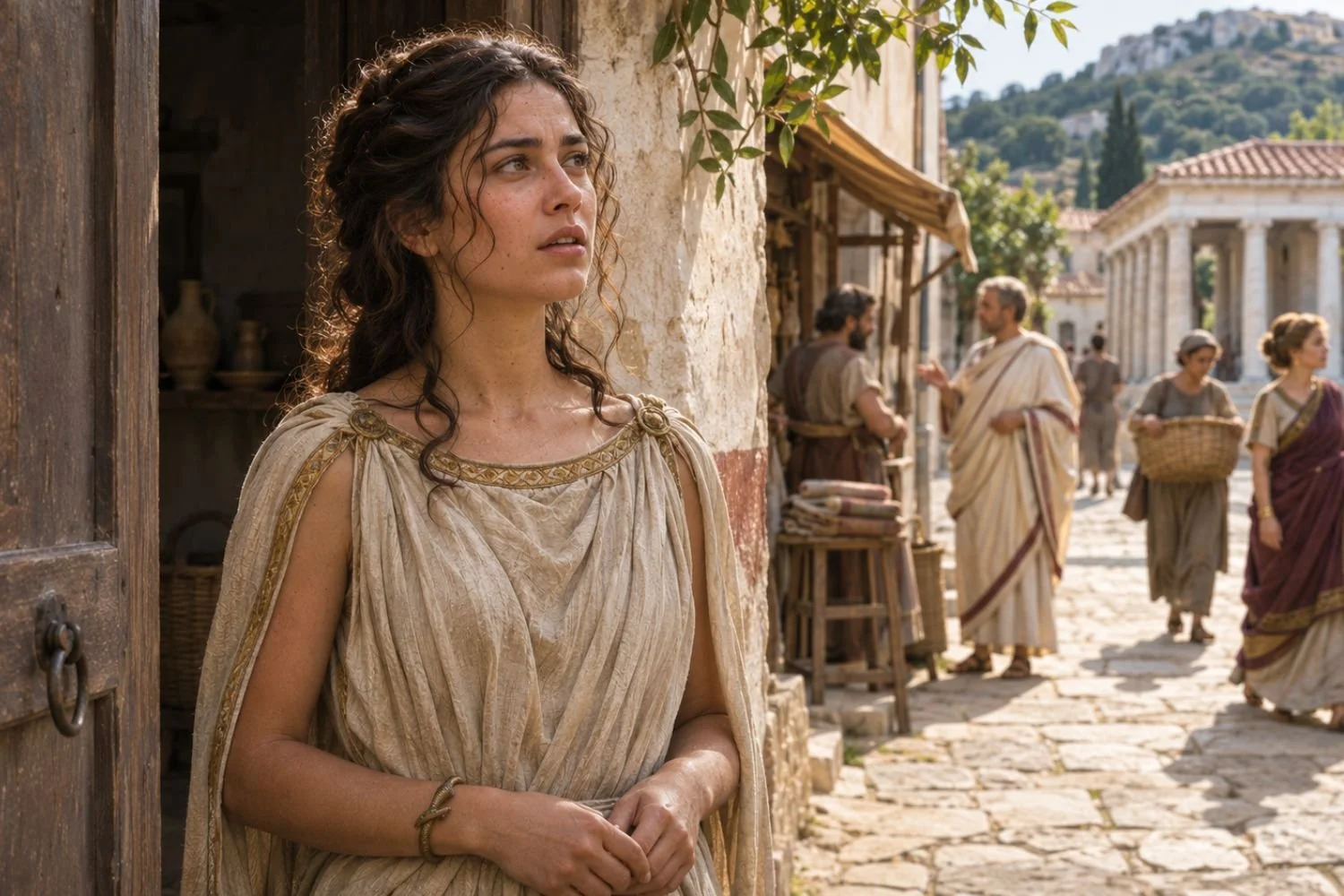
What Freedom Meant in Roman Philippi
In Roman Philippi, freedom was a legal status with layers and limits. Citizens, freed people, and enslaved people could inhabit the same city without possessing the same rights.
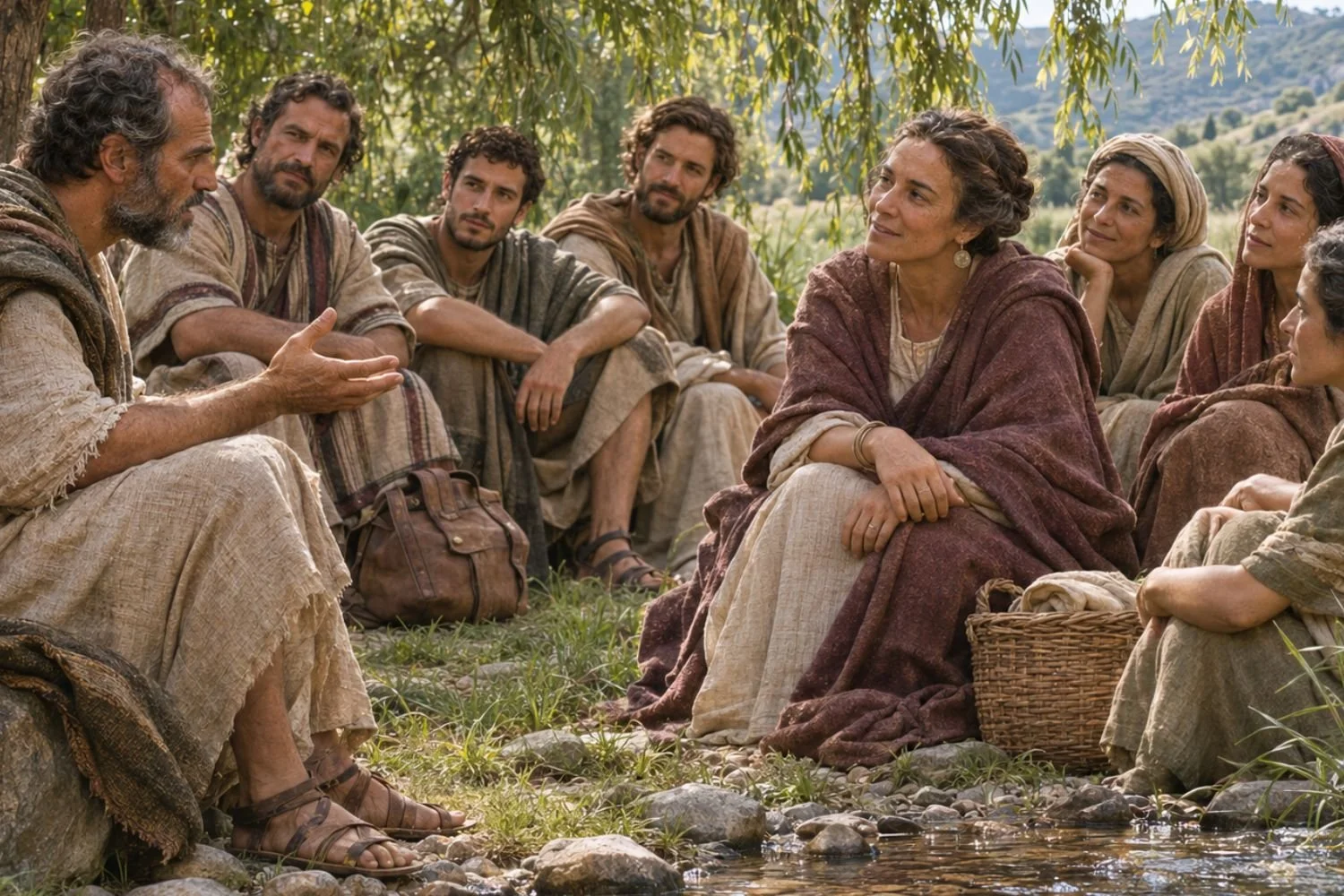
Two Kingdoms, One City: How Christianity Took Root in Roman Philippi
Philippi knew the power of Rome: its laws, citizenship, monuments, and order. Then a quiet gathering beside the river introduced the city to another kingdom.
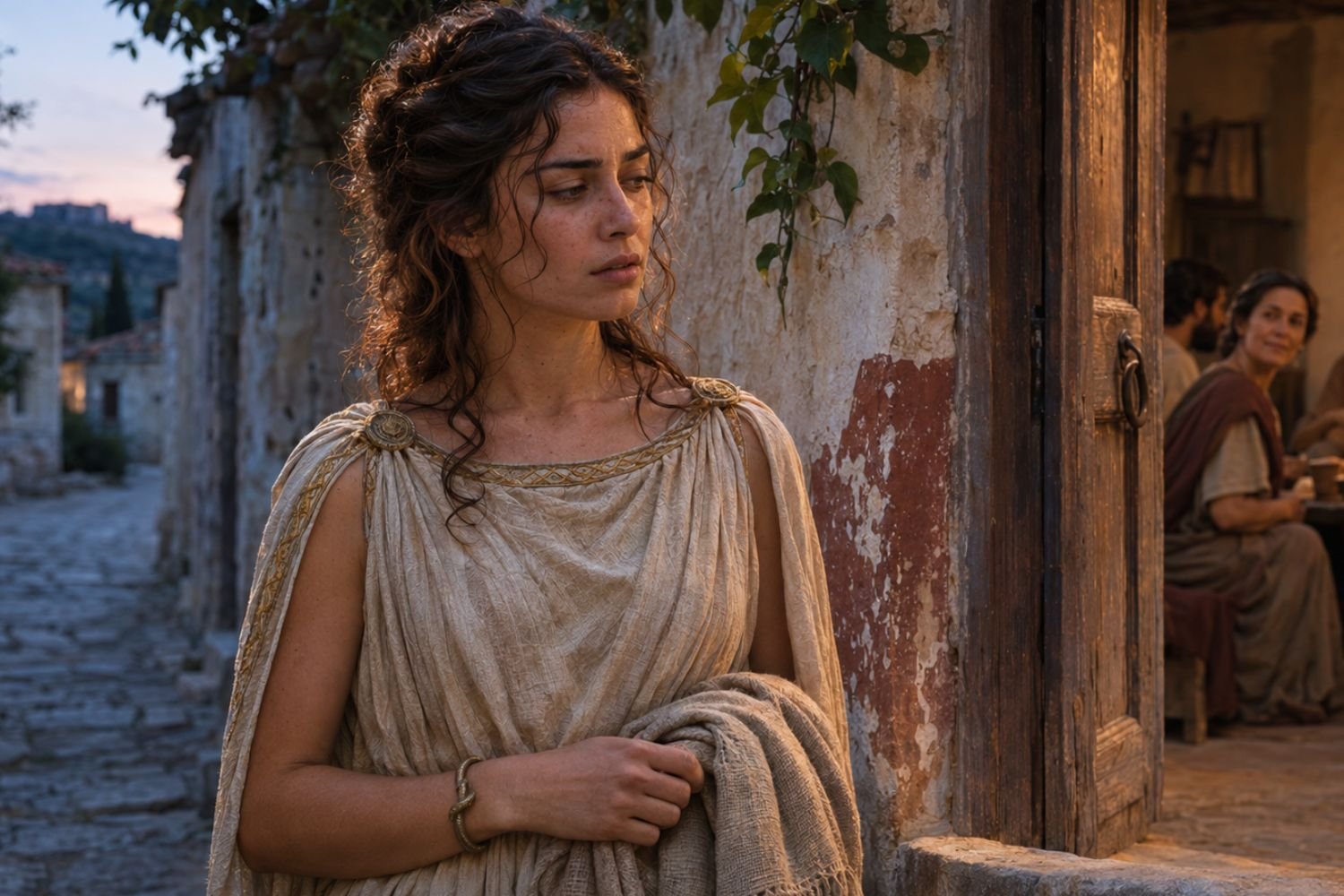
What Conversion Cost an Early Christian
In the Roman world, religion permeated households, business, friendship, and civic life. Turning from the gods could therefore cost an early Christian far more than private certainty.
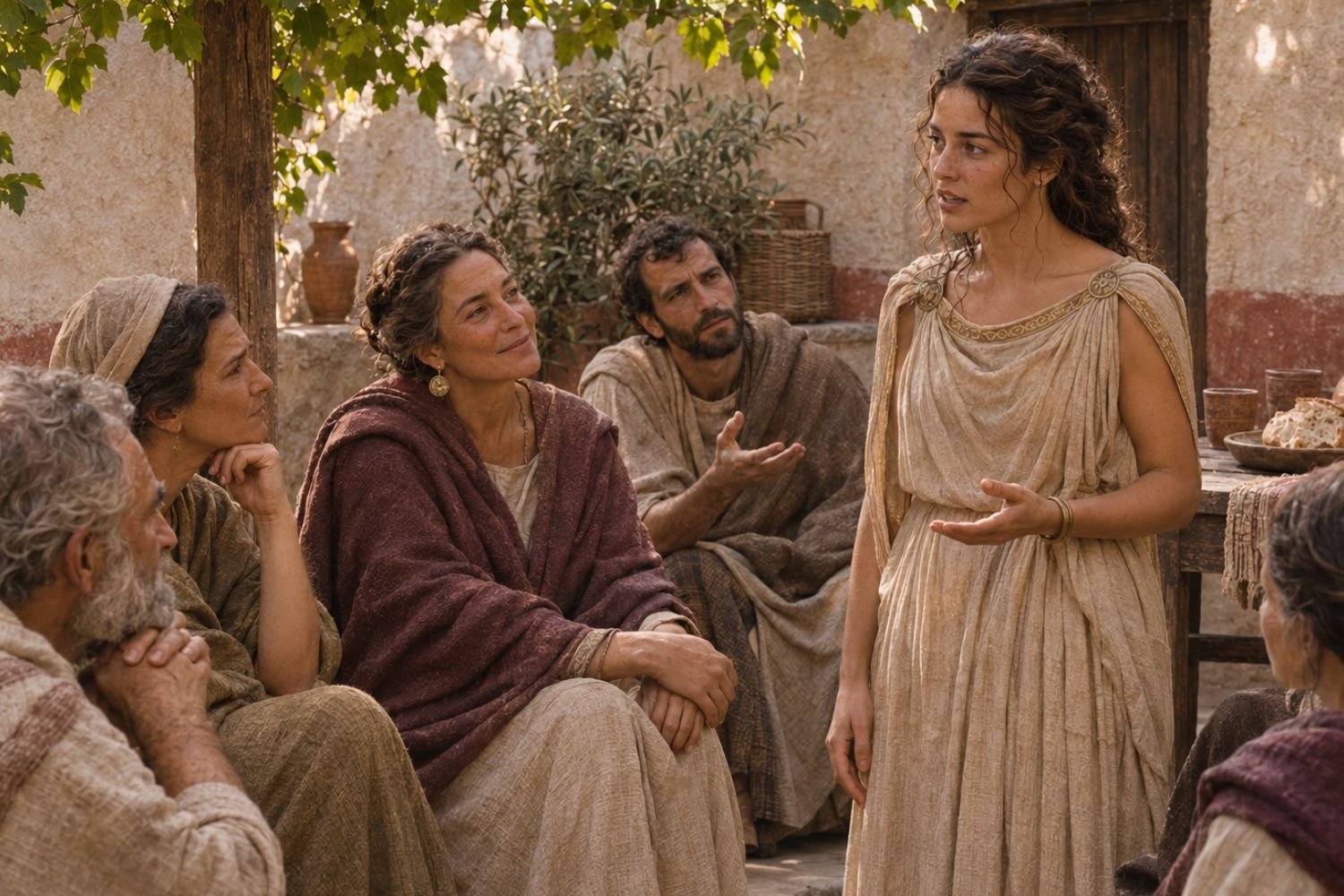
When Trust Takes Time: How the Early Church Tested Prophecy
Early Christians believed in prophecy, but they did not accept every spiritual claim. Scripture, communal discernment, personal conduct, and allegiance to Christ all helped them distinguish a true message from a false one.
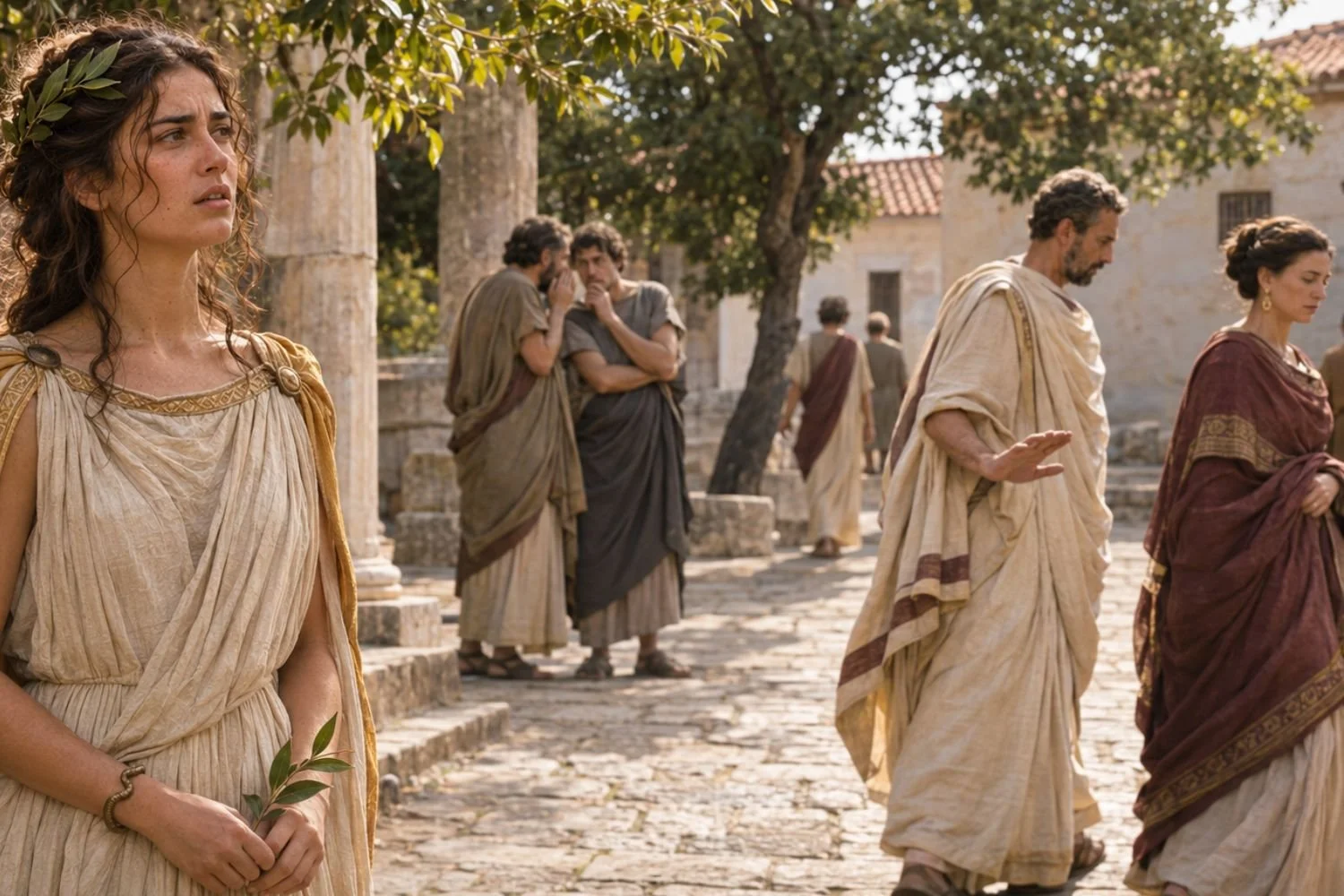
When the Old World Lets You Go: What Mynestra Loses When She Leaves Apollo Behind
Mynestra's spiritual freedom does not immediately bring safety or belonging. Turning away from Apollo costs her the identity, relationships, and protection that once held her world together.
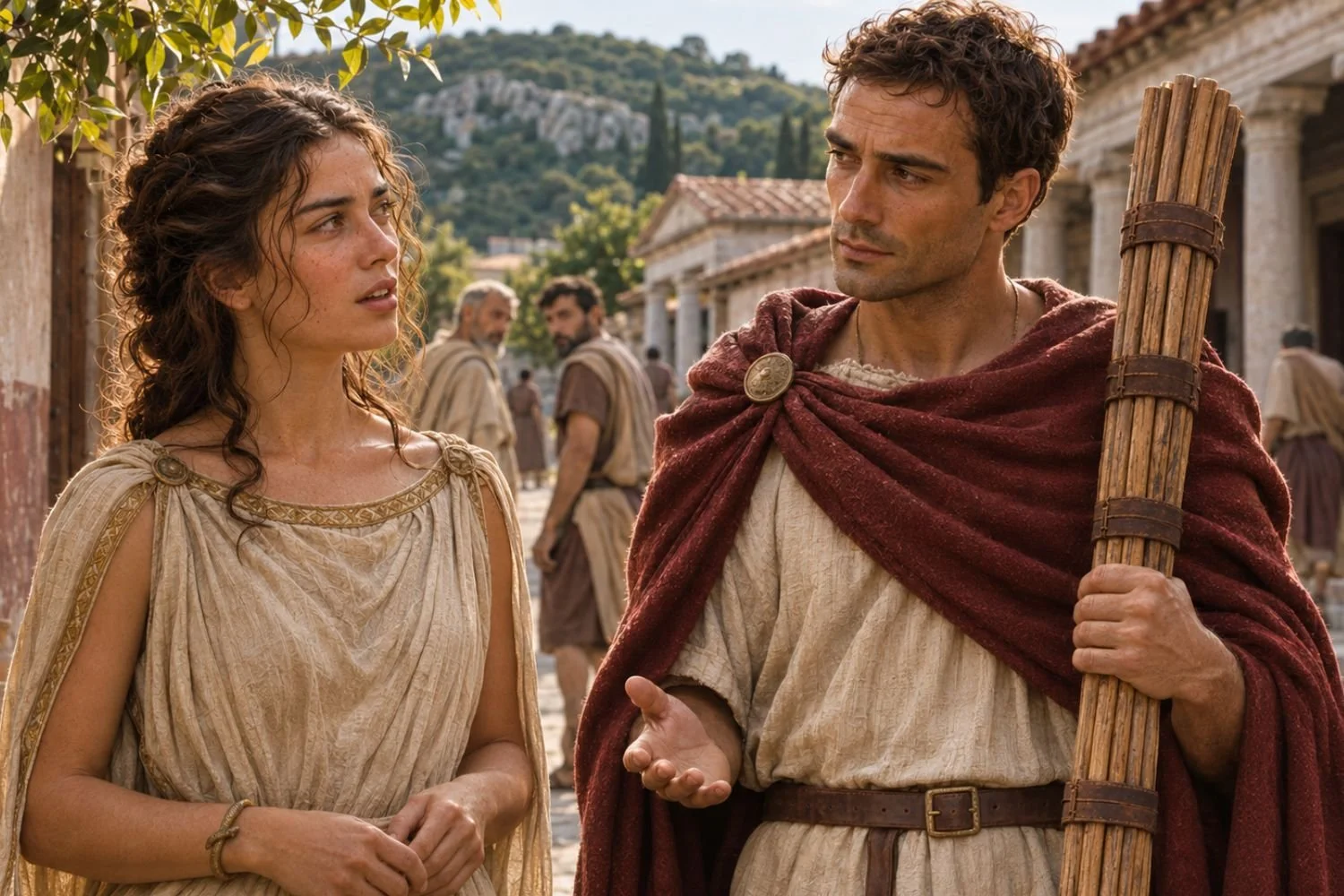
Allies in Unlikely Places: When a Roman Lictor Chooses to Protect Mynestra
Clement serves the Roman officials who govern Philippi. Mynestra has every reason to fear him. Yet as the city turns against her, Rome's servant becomes an unexpected ally.
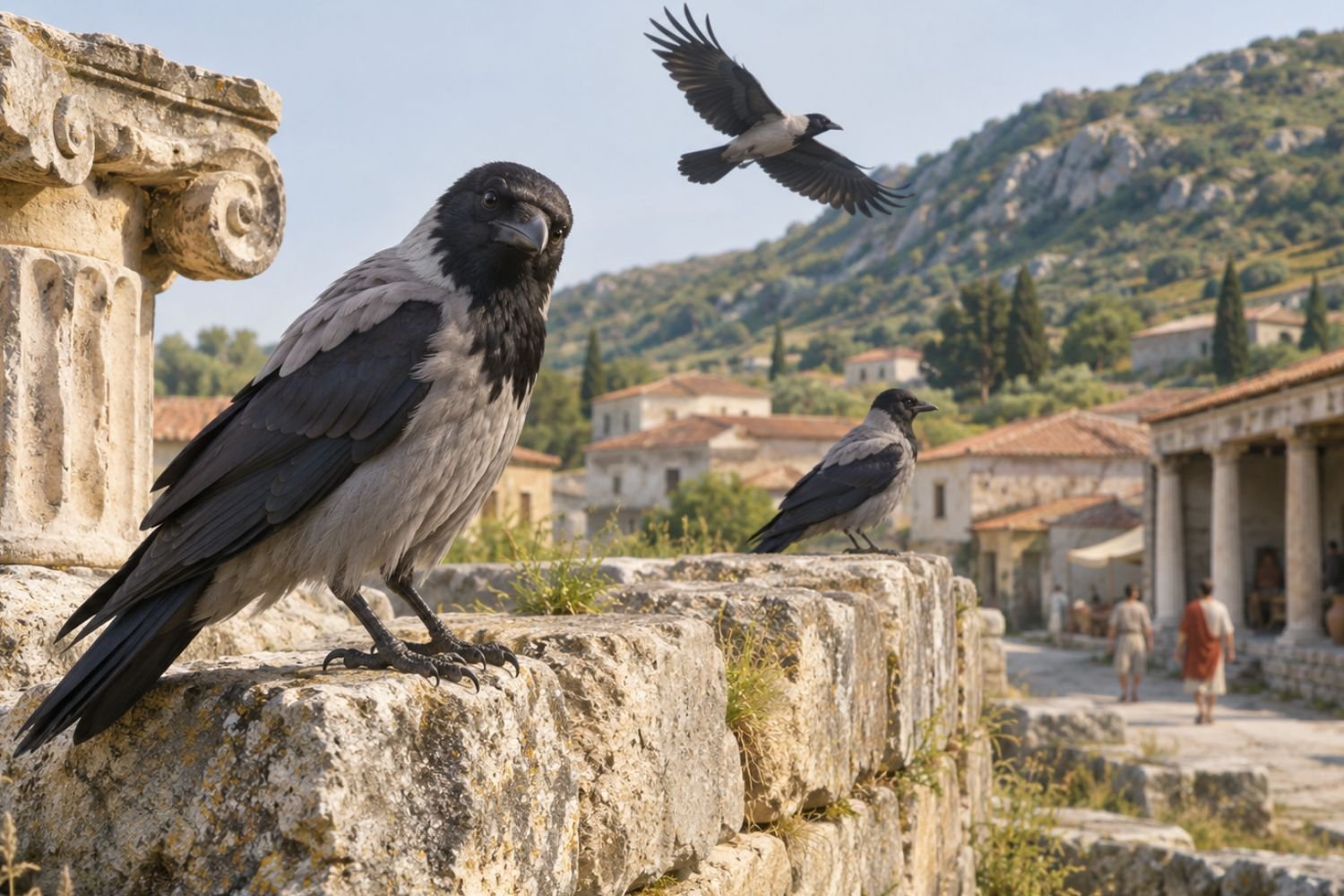
What Crows Meant in the Ancient World
Crows and ravens were more than familiar black birds in the ancient world. Their cries could be interpreted as omens, and Apollo's black bird became associated with hidden knowledge and prophecy.
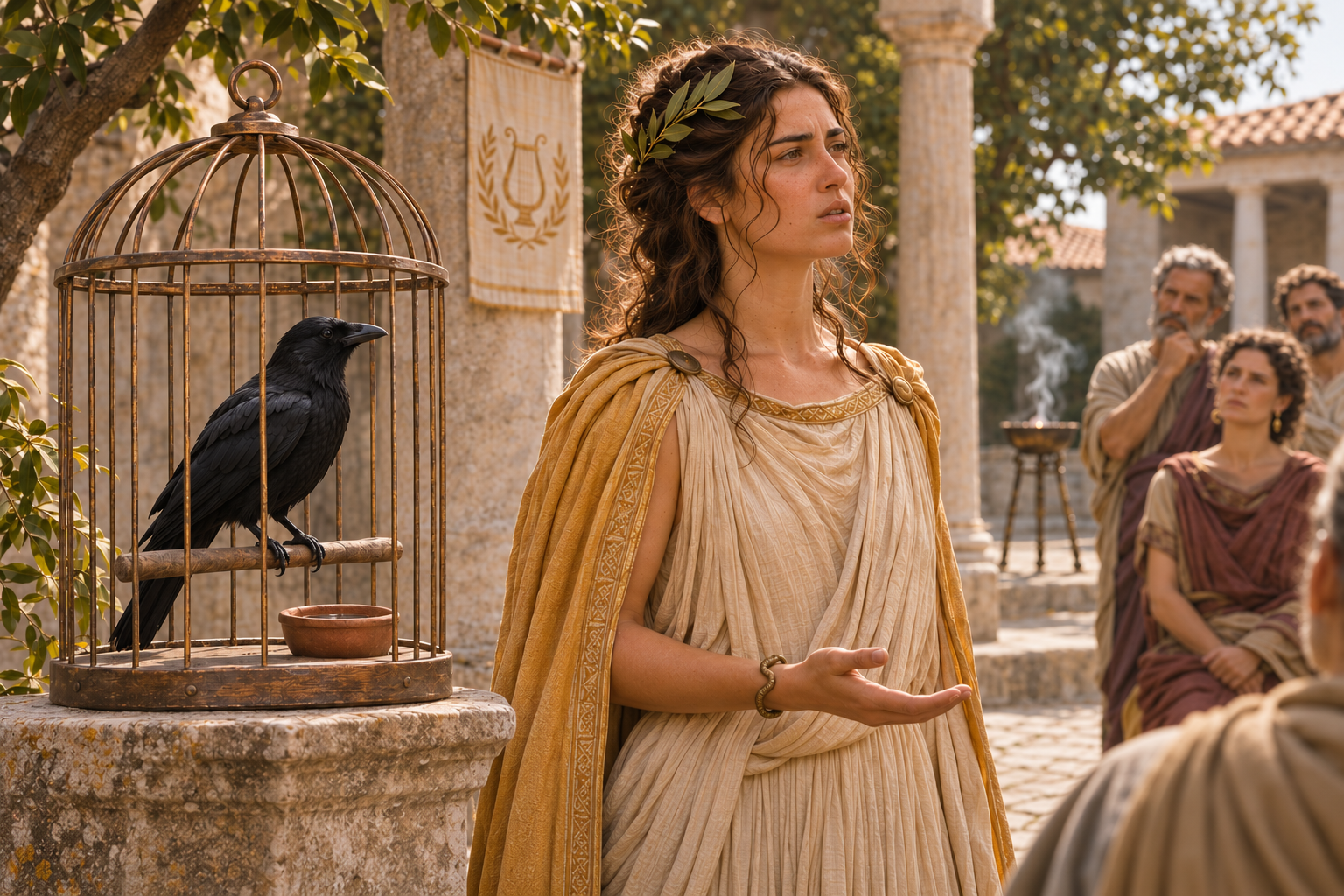
Watchers of the Ancient World: Sylvanus, the Crow behind Oracle of Philippi
Why does Mynestra keep a crow in a gilded cage? Meet Sylvanus, the watchful companion who becomes a reflection of her captivity and longing for freedom.