The World Behind the Story
History. Culture. Belief.
My novels are set in a real world—vivid, complicated, and surprising. Explore the people, places, beliefs, and everyday life that shaped them. Begin with Philippi and Acts 16. More people and places will join this collection as it grows.
Start Here
Begin in Philippi. These three readings move from the city’s Roman identity to a jailer’s crisis, then to a reflection on freedom.
1 · Enter Philippi
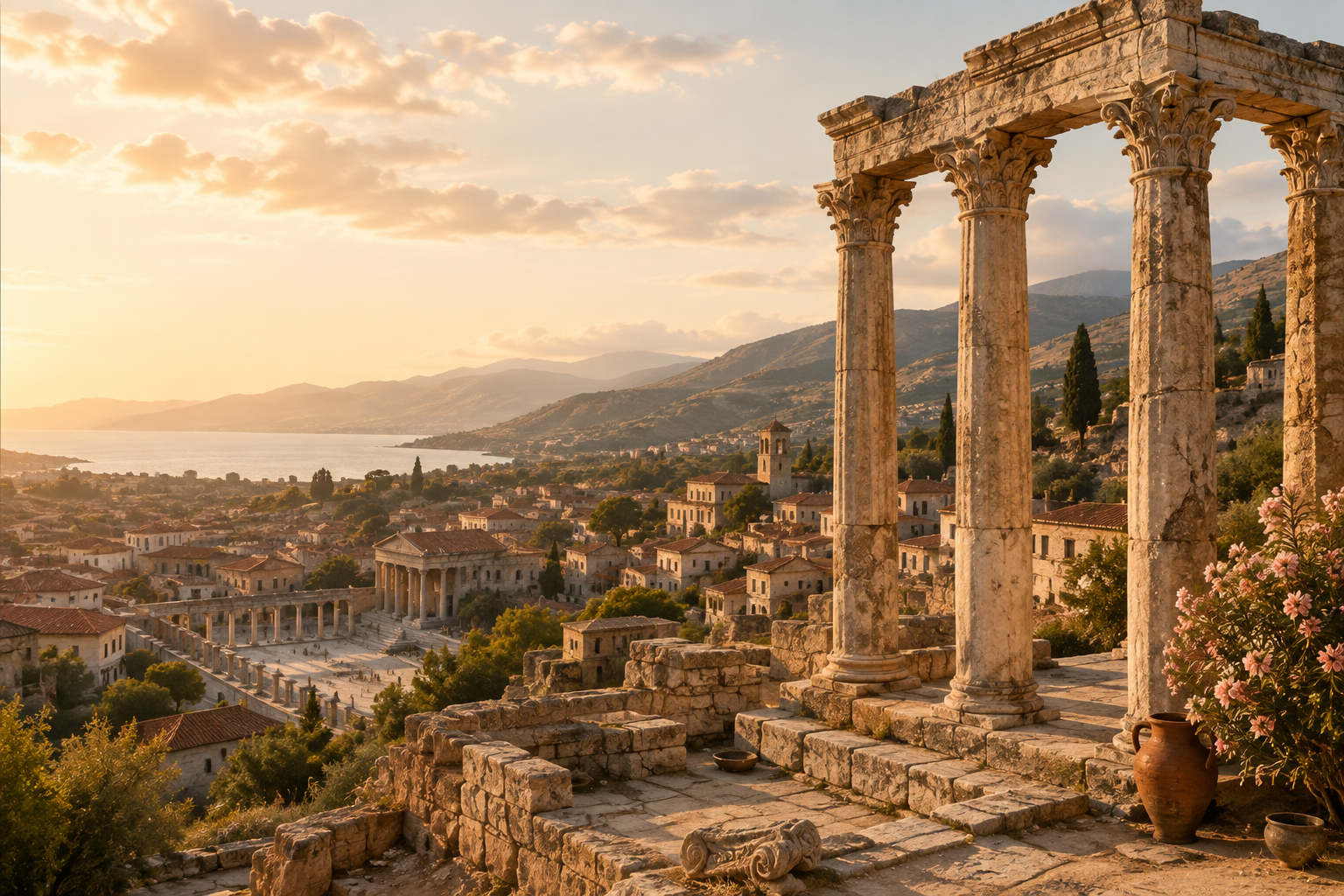
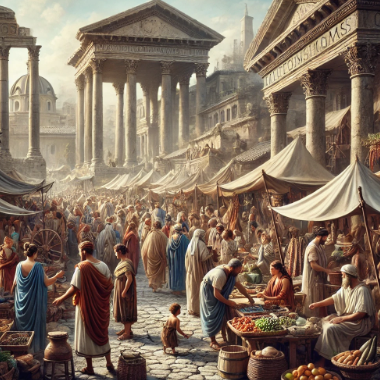
Philippi: Rome’s Outpost in Macedonia
See how the city’s Roman identity shaped the setting of Acts 16.
2 · Meet the jailer
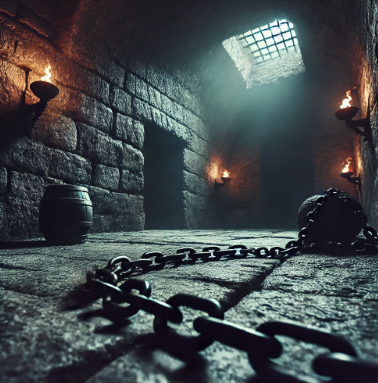
The Philippian Jailer and the Earthquake That Changed Everything
An earthquake, an open prison, and a man whose duty seemed to leave him no safe choice.
3 · Consider freedom
A reflection on why Paul and Silas remained when the prison doors opened.
The following articles currently live on Substack. As I revise them, I will bring the collection to this website.
Religion & Belief
Gods, oracles, prophecy, and the rise of Christianity
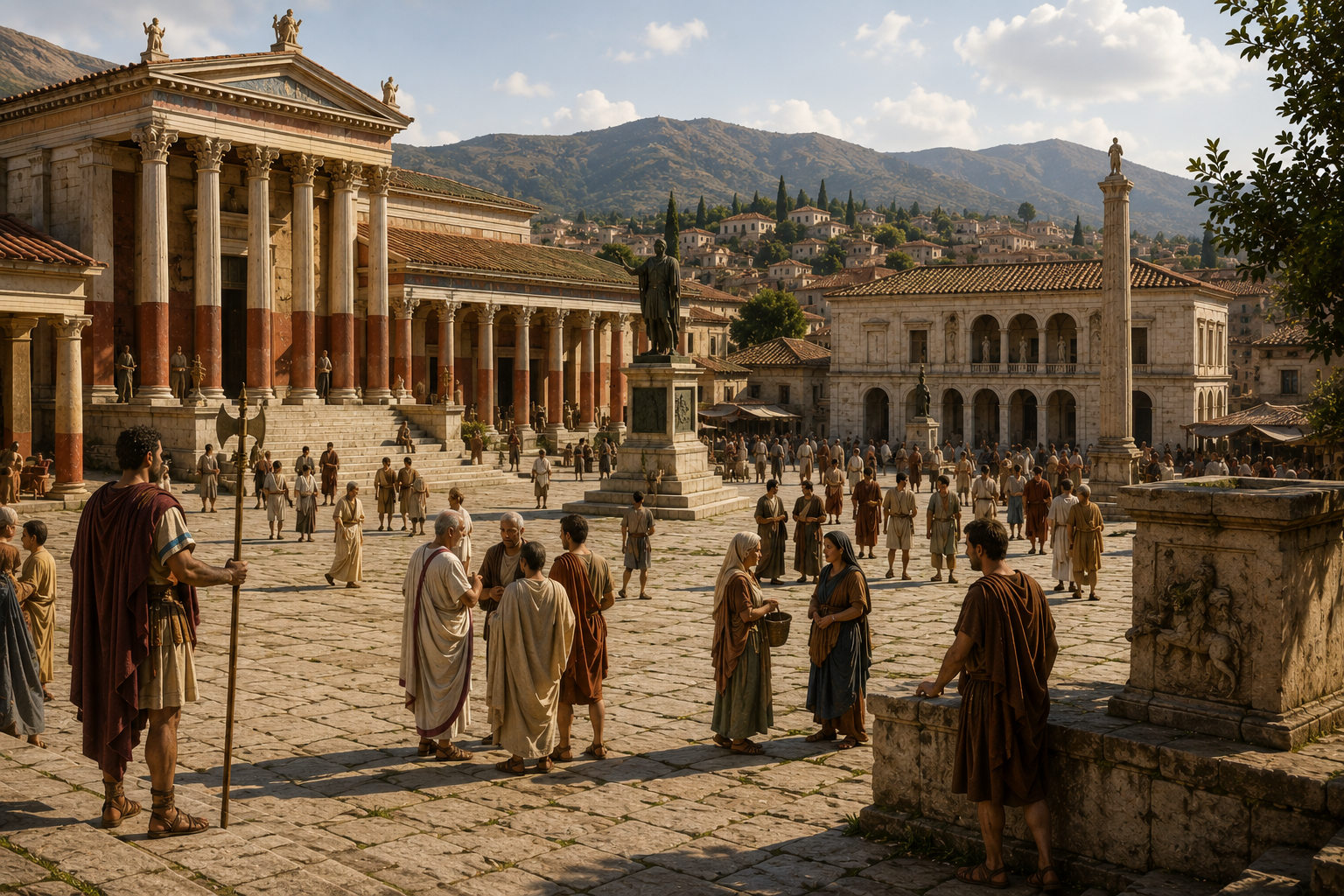
Public Life
Power, law, and entertainment in the Roman world.
More to Explore
The articles below are currently the only ones here on this website. More paths through the ancient world will join them as this collection grows.
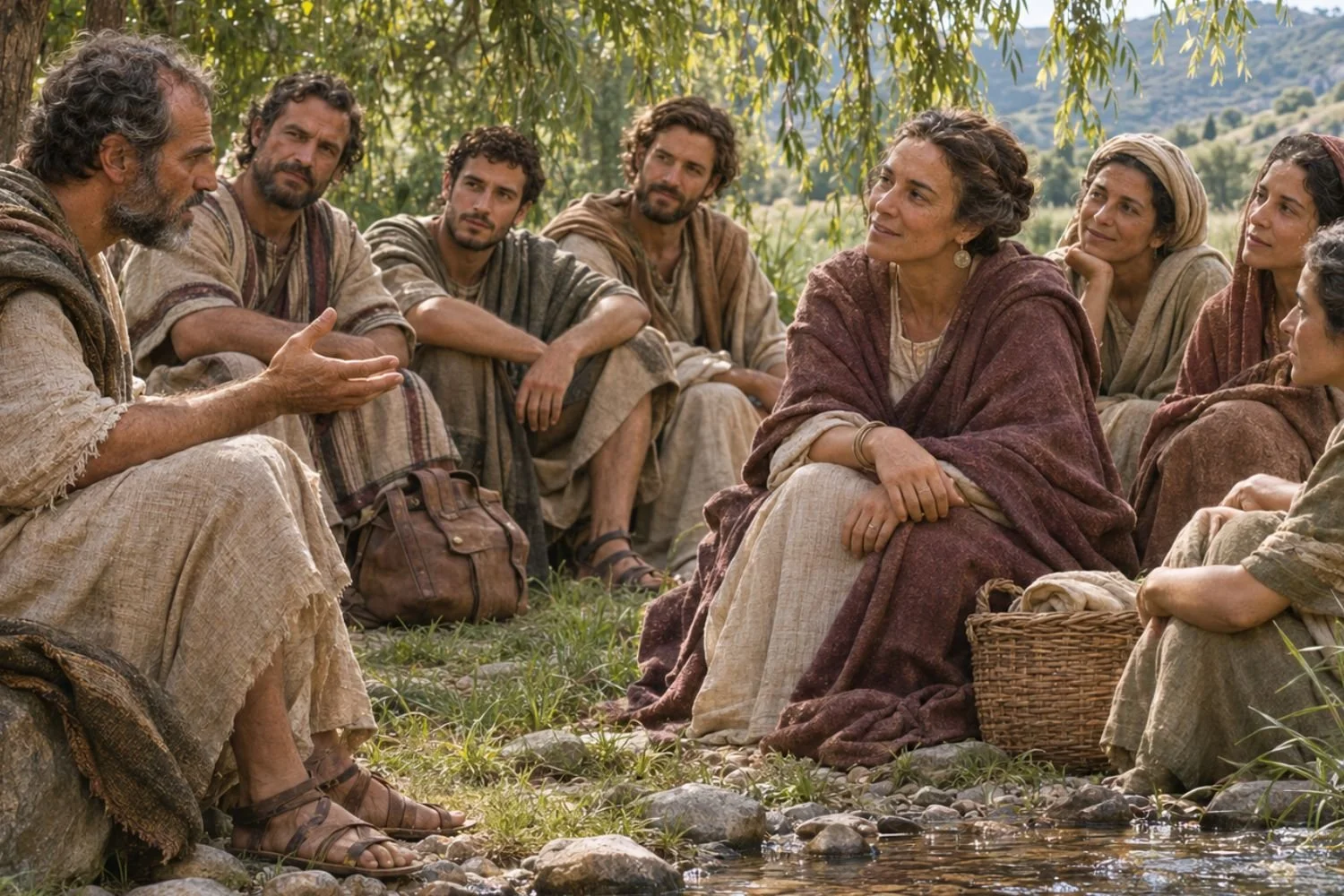
Paul Arrives in Philippi and a Church Begins by a River
Paul entered Philippi without ceremony. Days later, a conversation beside the river and Lydia's open home became the beginning of a Christian community.
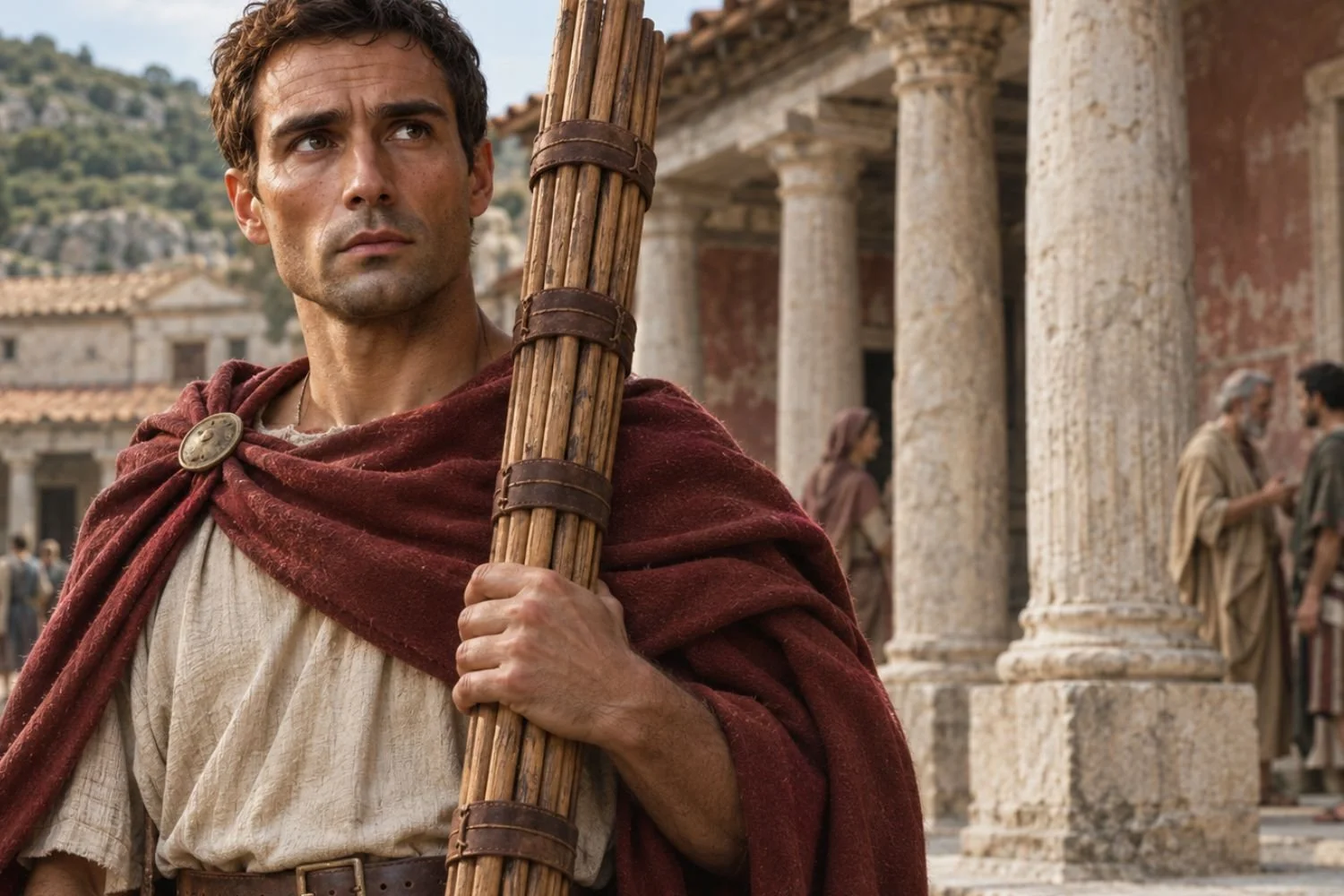
A Lictor’s Duty: Rome’s Rod-Bearers in Acts 16
The rod-bearing officers of Acts 16 were probably Roman lictors. They guarded magistrates, carried the fasces, and enforced Rome's authority in Philippi.
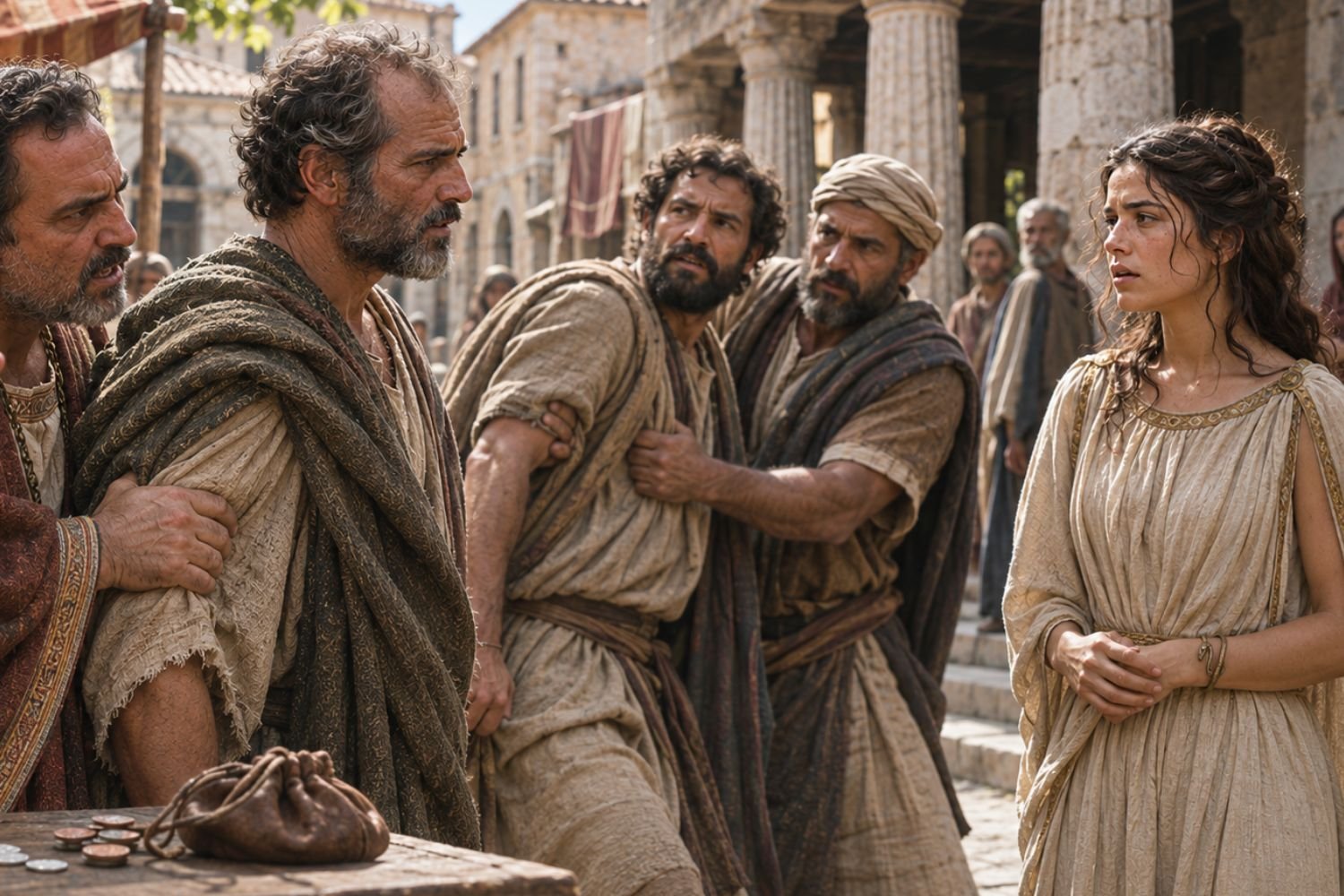
Philippi’s Forum: Politics, Commerce, and Punishment in Acts 16
Philippi's forum was the public heart of the Roman colony. In Acts 16, it became the setting for accusation, crowd pressure, and th eunlawful punishment of Paul and Silas.
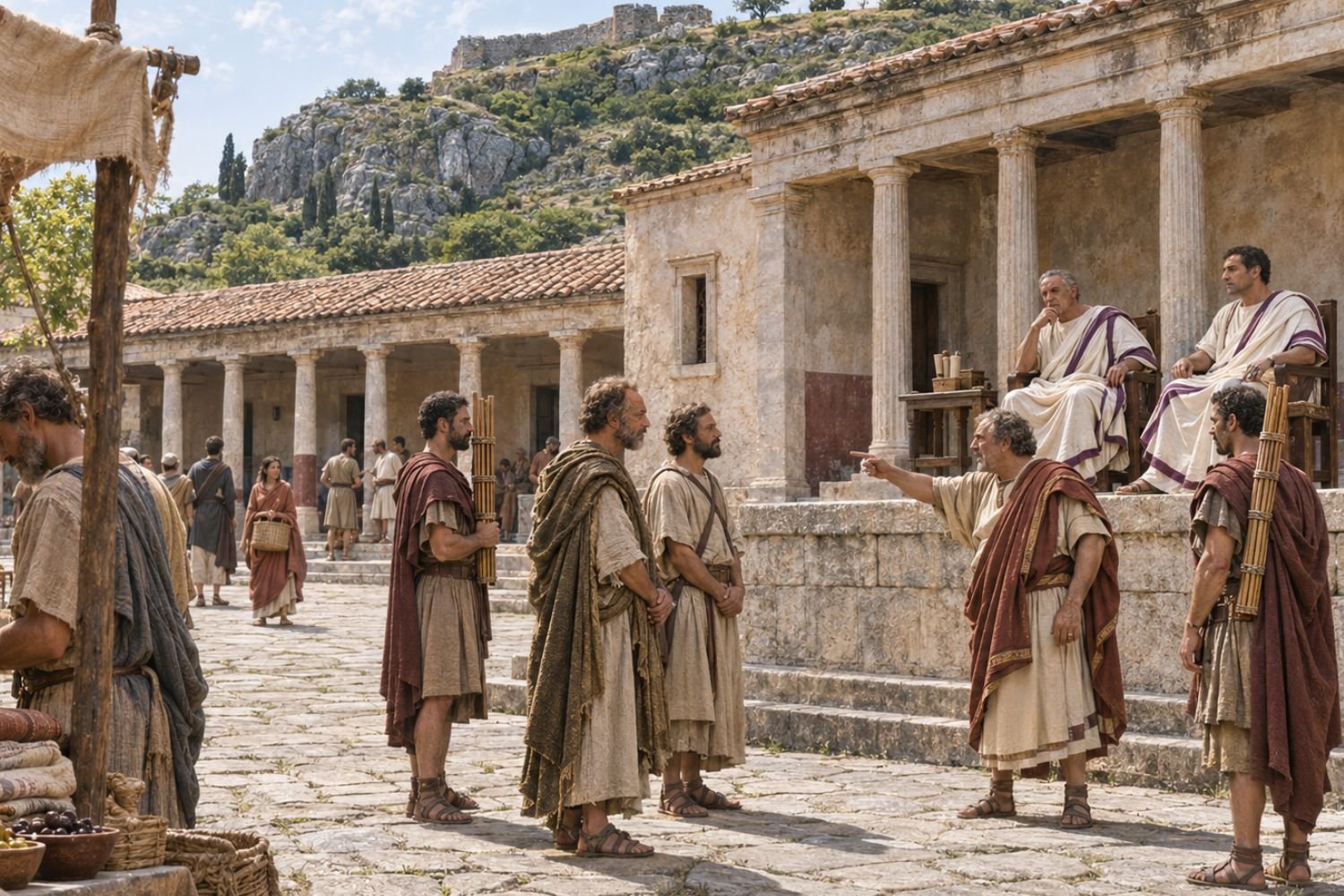
Why Paul and Silas were Beaten without a Trial: Colonial Justice in Acts 16
Paul and Silas were publicly beaten and imprisoned before Philippi's magistrates discovered they were Roman citizens. Their mistake reveals how Roman authority, citizenship, and summary punishment worked.
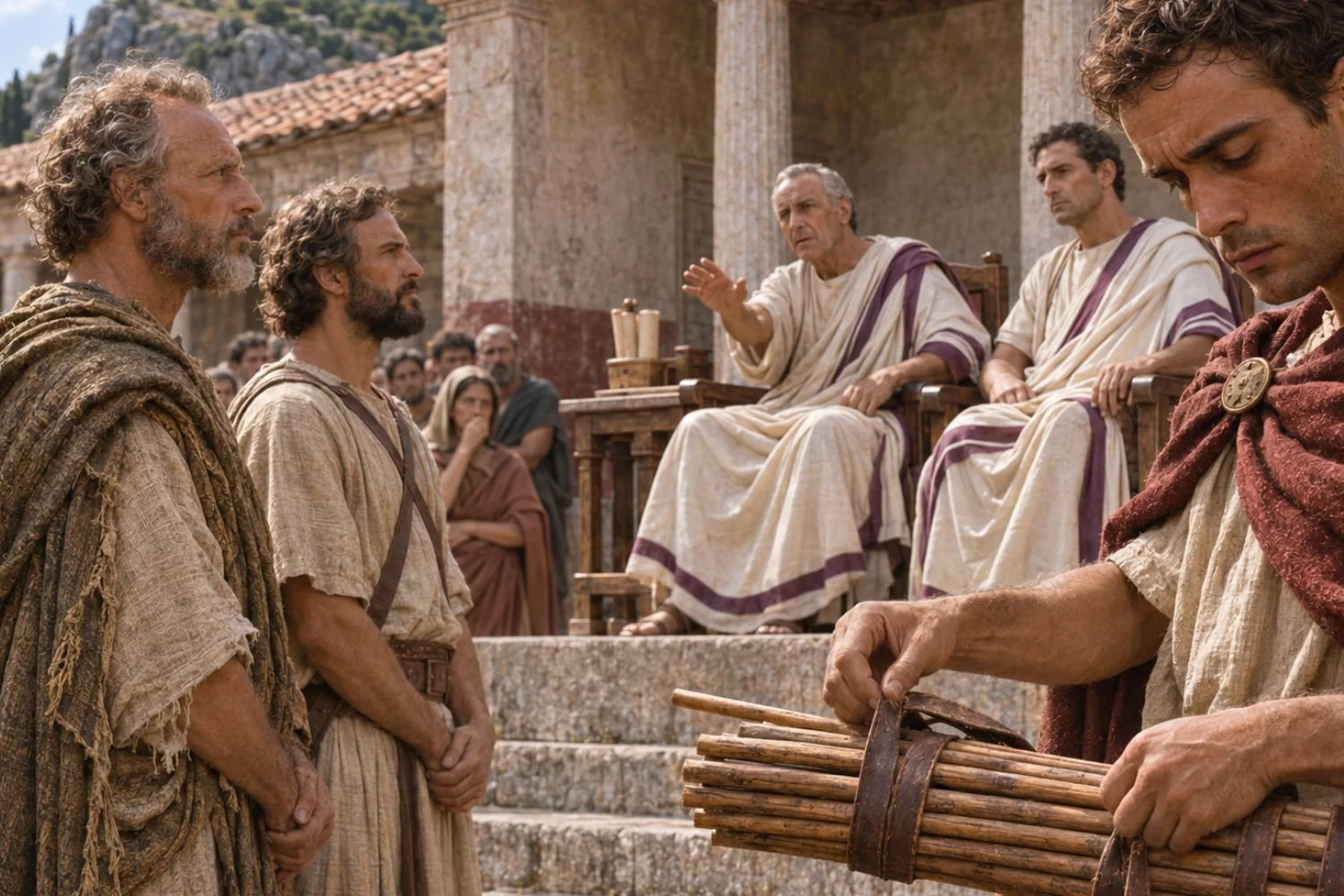
When the Crowd Takes Over: Public Uproar in the Book of Acts
In Acts, private grievances repeatedly become public accusations. From Philippi to Jerusalem, crowds shape what officials hear, whom they punish, and whether the accused may speak.
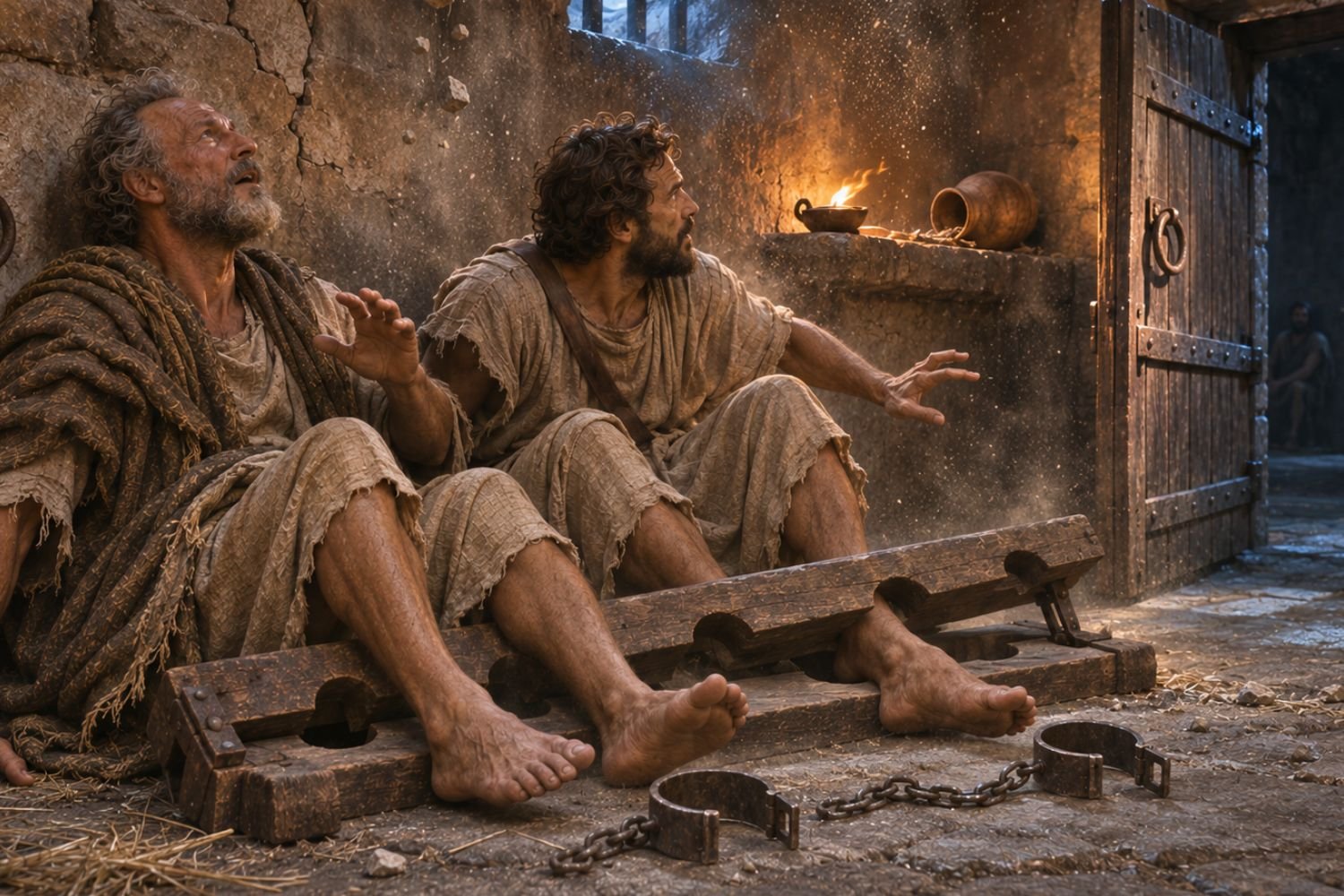
Singing in the Inner Cell: Inside a Roman Prison—Paul and Silas in Acts 16
In ancient Philippi, an earthquake was never merely a geological event. The shaking of the prison in Acts 16 challenged accepted ideas about divine power and Roman authority.
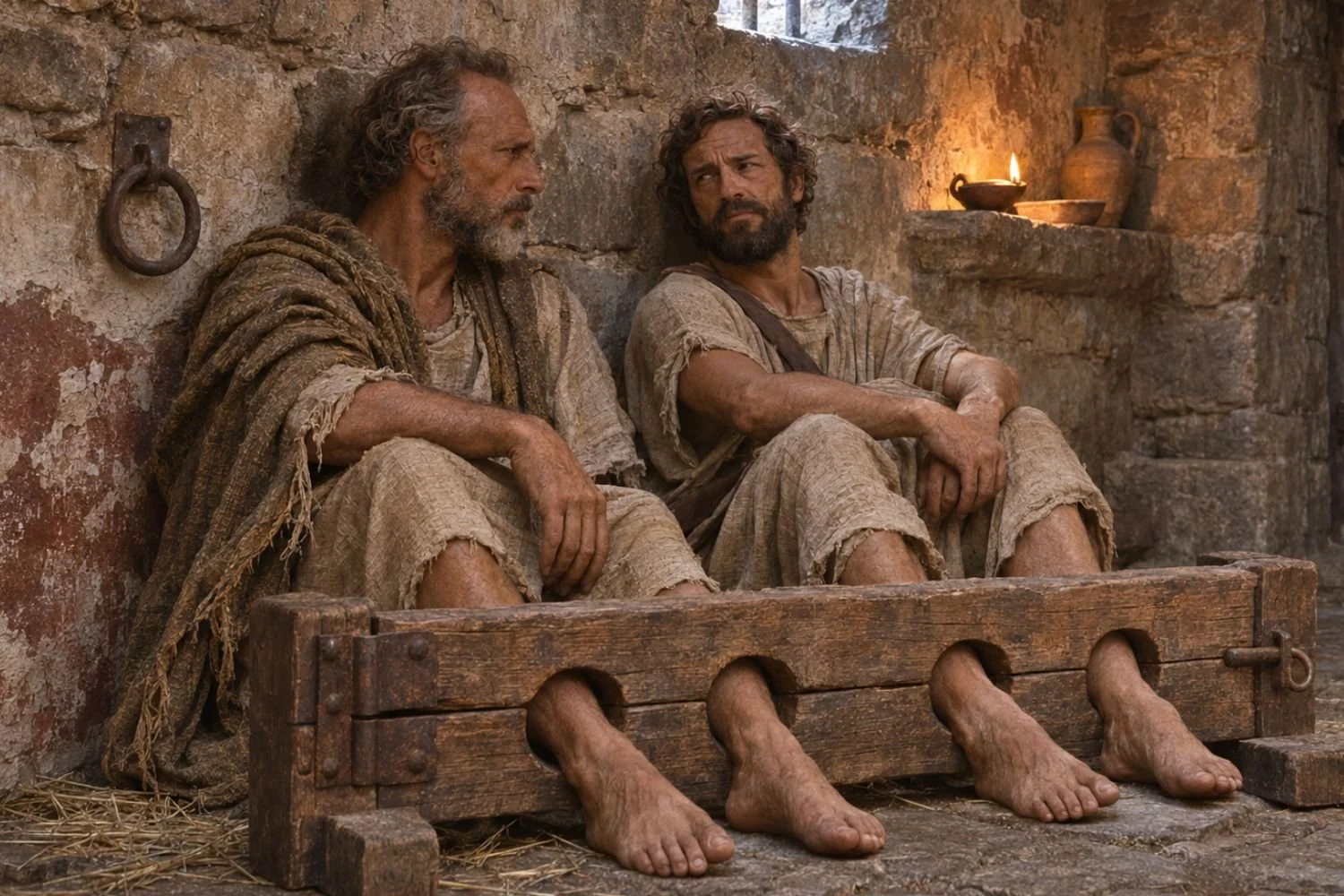
When the Earth Shook: What Happened in Philippi in Acts 16
Roman prisons ordinarily held people awaiting judgment or punishment. IN Acts 16, an inner cell meant to contain Paul and Silas became instead a place of song and transformation.
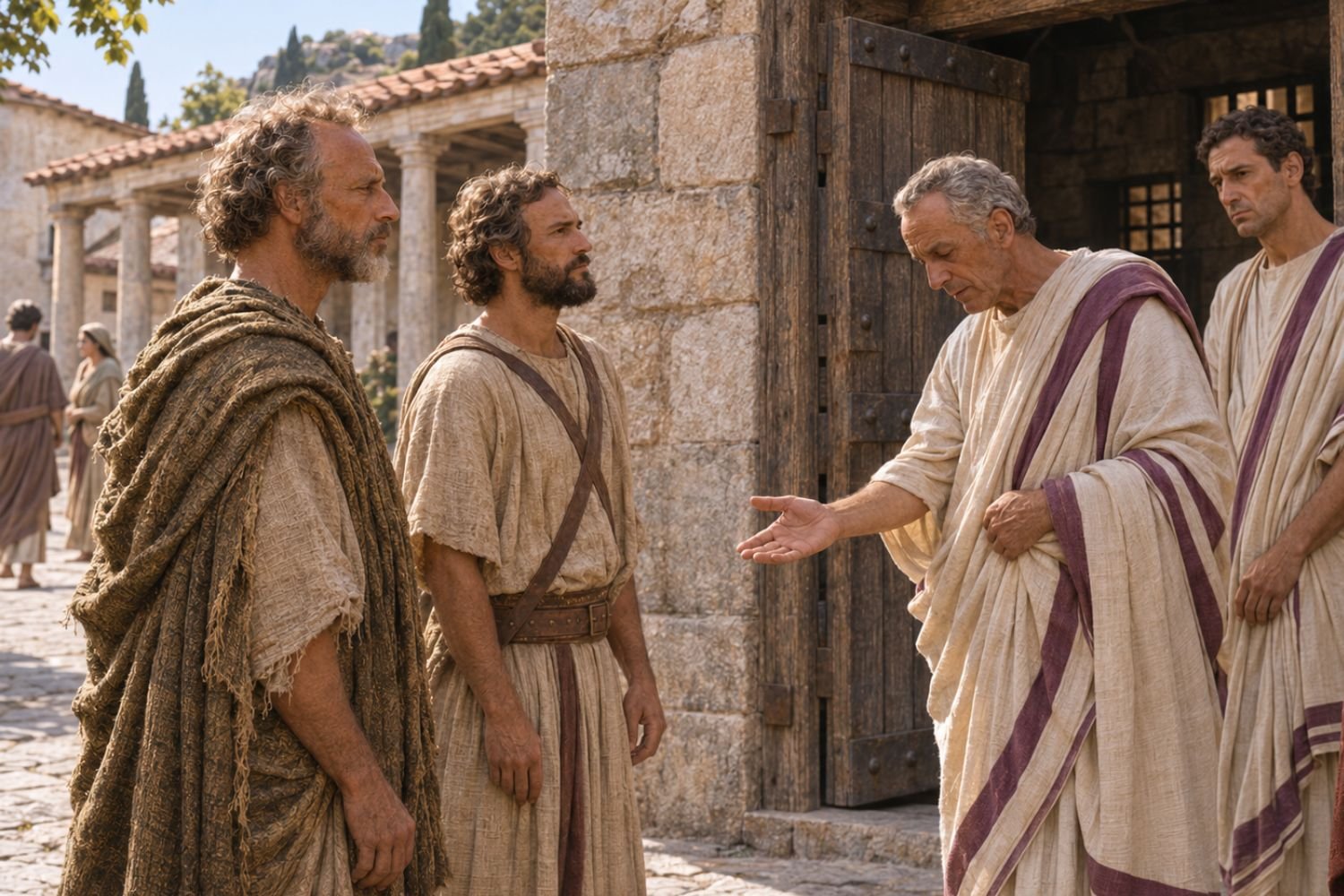
Why Paul Refused a Quiet Release in Philippi
Philippi's magistrates ordered Paul and Silas released quietly. Paul refused. The public beating of two Roman citizens required more than a prison door opened in private.
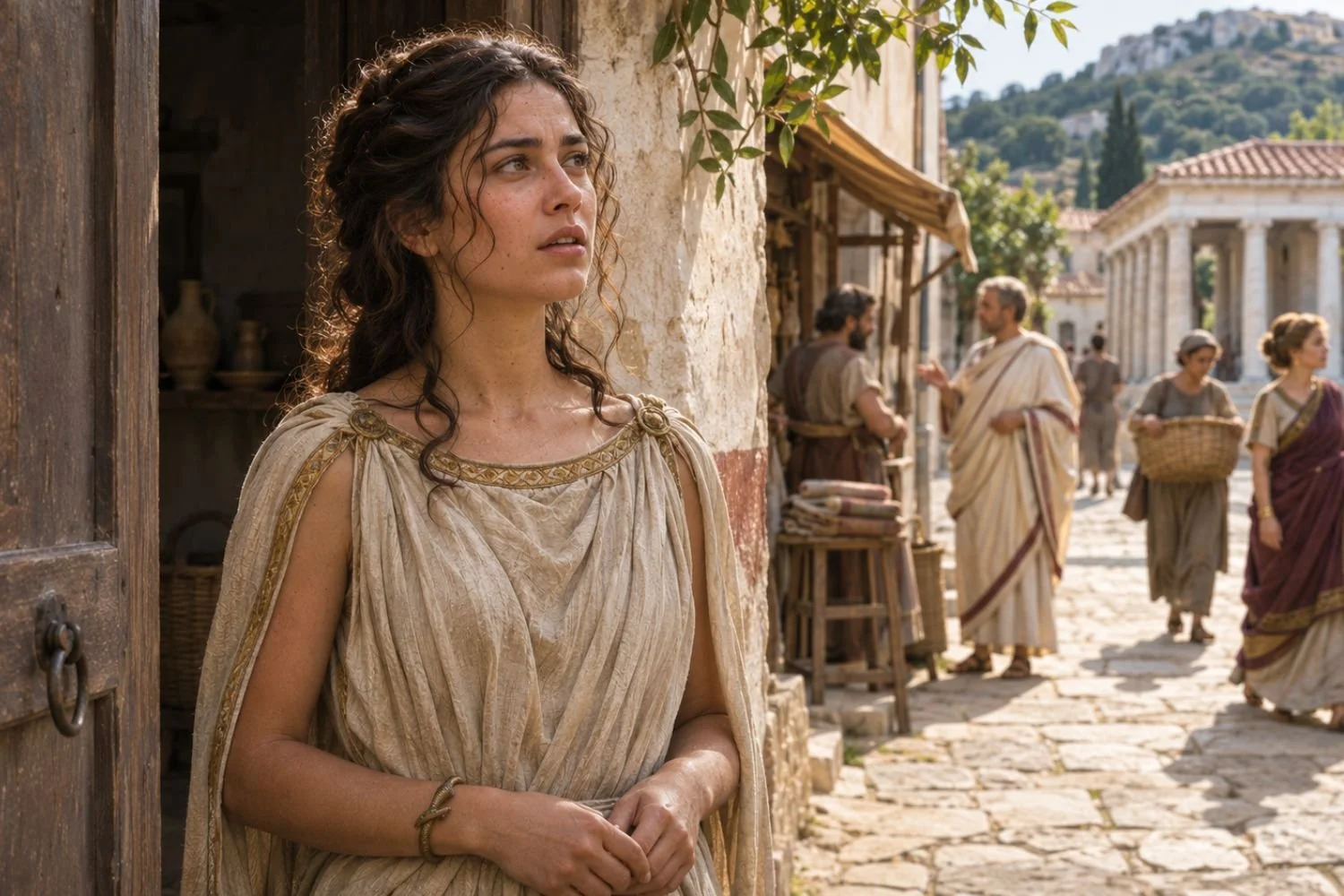
What Freedom Meant in Roman Philippi
In Roman Philippi, freedom was a legal status with layers and limits. Citizens, freed people, and enslaved people could inhabit the same city without possessing the same rights.
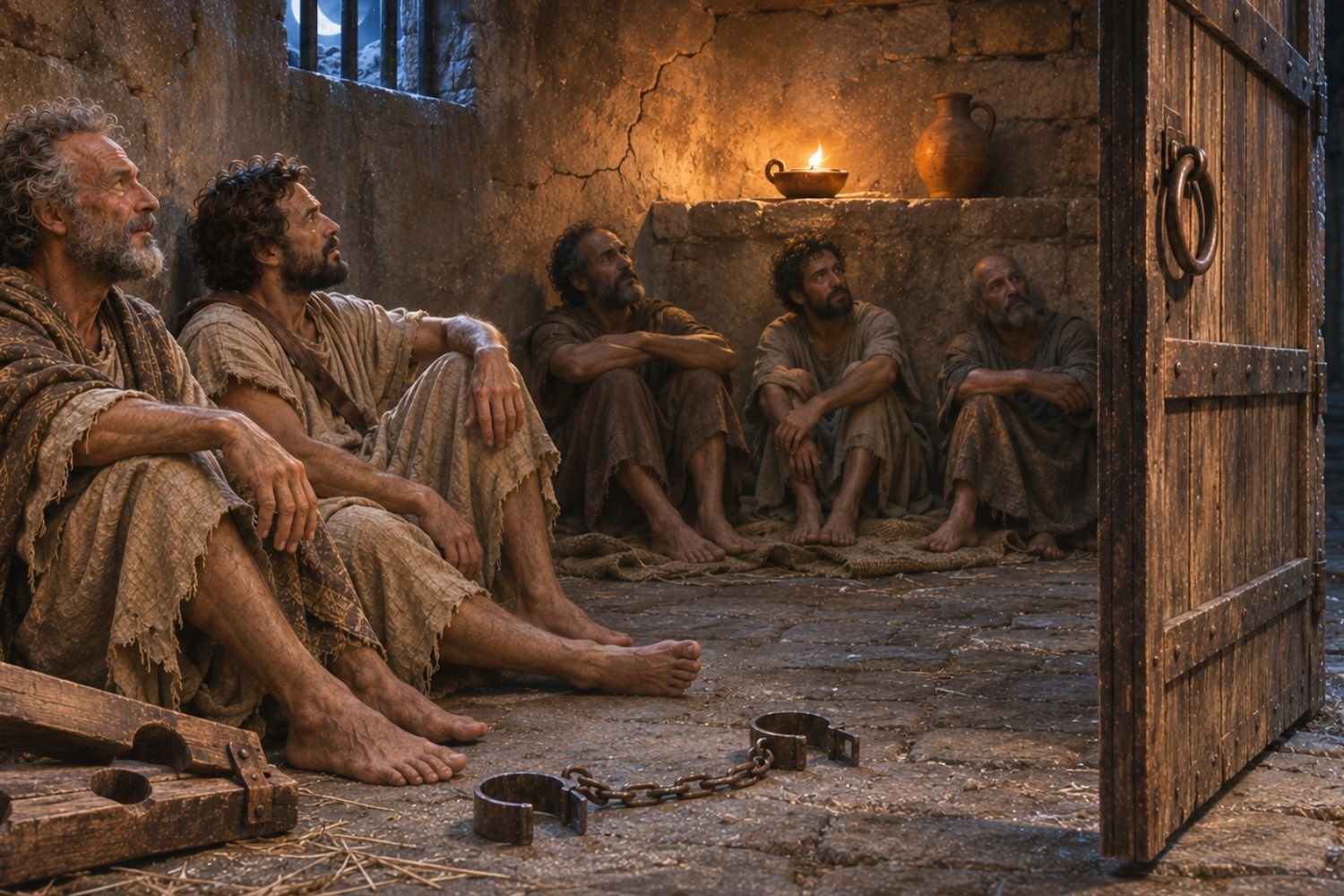
The Freedom to Stay
What the prison in ancient Philippi teaches us about the freedom no empire could give—or take away.
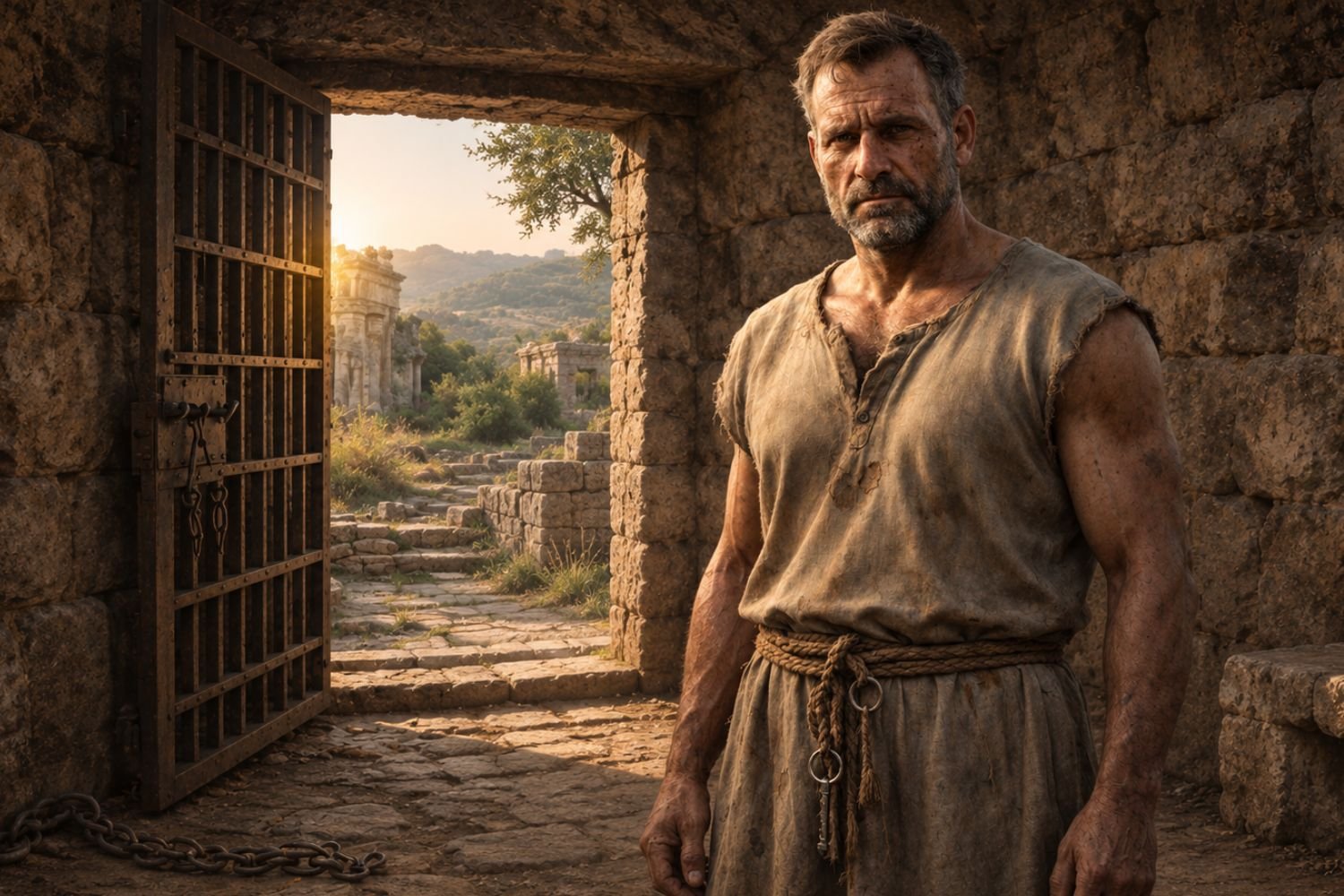
The Philippian Jailer and the Earthquake That Changed Everything
A Roman jailer’s decision to take his own life can seem shockingly abrupt—until we understand the world that shaped him. Step inside first-century Philippi and see how one unexpected voice changed the course of a household.